Loud Fun, Real Risks: Protect Your Hearing in Knoxville
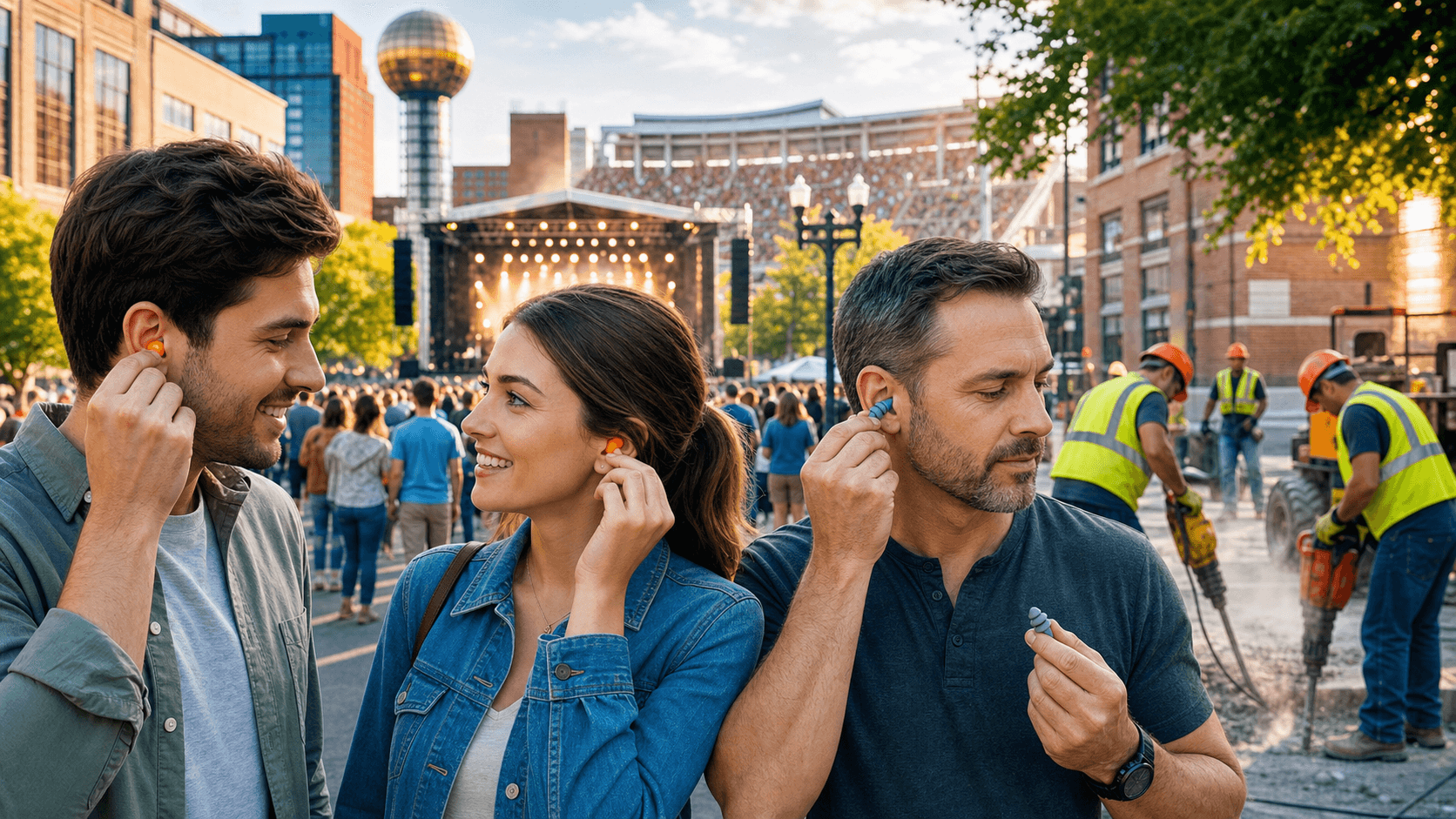
Knoxville can be a loud place in all the best ways. A packed UT home game, a big outdoor concert, and road work or yard work on the way home can all hit your ears in a single weekend. It feels like fun and normal life, but your hearing may not see it that way.
Your ears can be damaged faster than most people think, and once that damage is there, it usually does not heal. Our goal is to help Knoxville families enjoy concerts, UT games, hobbies, and work without giving up clear hearing later. With a few smart choices and simple hearing protection, you can keep the good times loud in spirit, not in volume.
How Loud Is Too Loud at Concerts and UT Games
Sound is measured in decibels, or dB. You can think of it like a loudness scale. Normal talking is on the low end. A vacuum cleaner is higher. Then you move up to things like traffic, concerts, and big stadium crowds.
Common loud sounds around Knoxville include:
- Crowd noise at Neyland Stadium
- Live country or rock concerts
- Fireworks after events
- Marching bands and drumlines
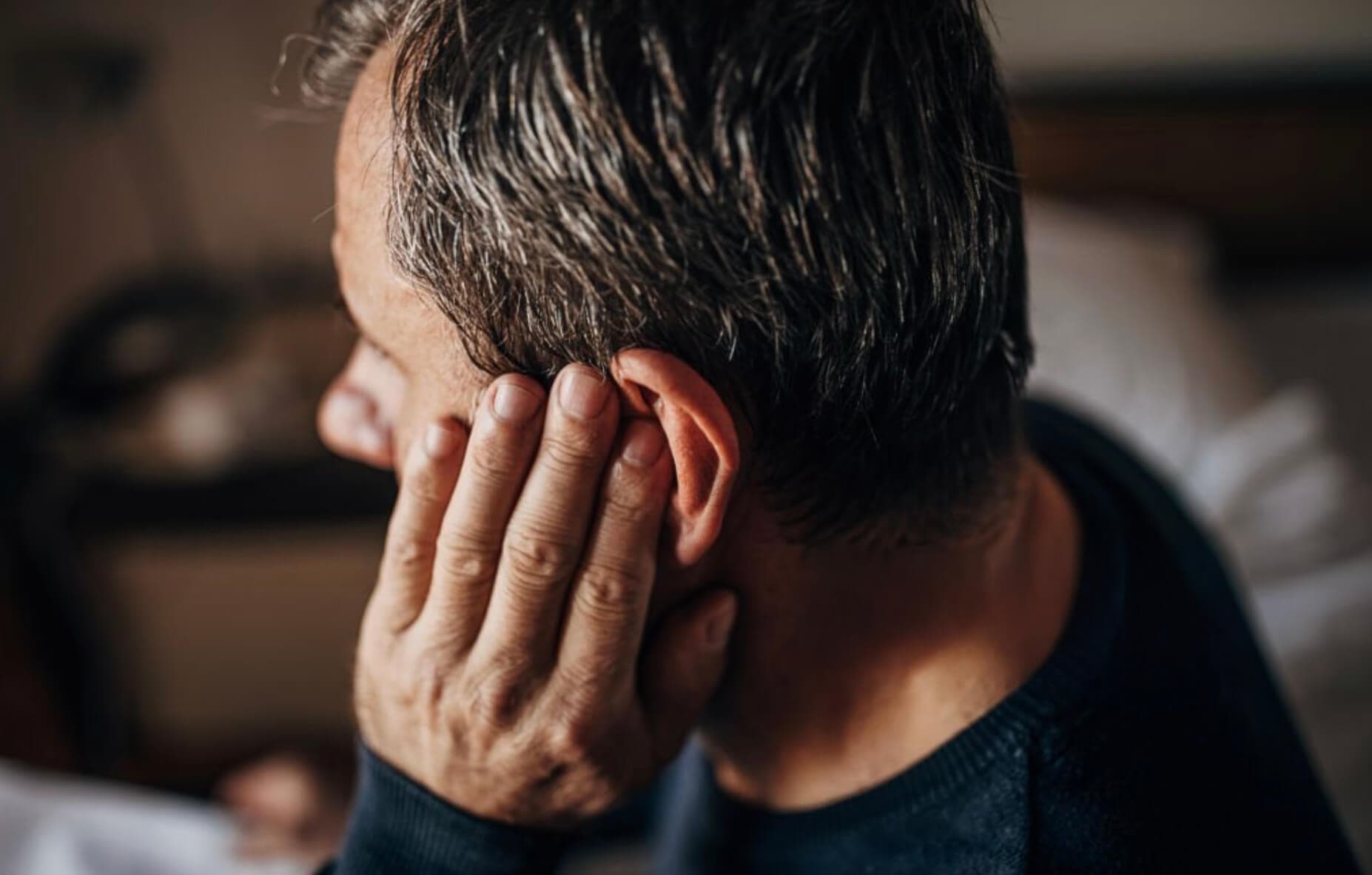
At these levels, your ears may only handle a short time before tiny hair cells inside the inner ear start to get stressed and worn out. If you walk out of a game or show and your ears are ringing, buzzing, or things sound muffled, that is a warning sign. Even if it fades by the next day, it means the sound was too loud for your ears.
You can still enjoy the action. A few simple tricks help a lot:
- Sit a little farther from speakers or marching band sections.
- Avoid sitting right in front of loudspeaker clusters.
- Take quiet breaks out on the concourse or away from the stage.
- Use earplugs for kids any time the sound feels sharp or uncomfortable.
Children have smaller, more sensitive ears, and they often will not say anything until it really hurts. If you think it might be too loud for you, it is almost always too loud for them.
Work Sites, Yard Tools, and Everyday Noise Traps
Big events are not the only risk. Many people around Knoxville and East Tennessee work in noisy places day after day.
Common jobs with loud sound include:
- Construction and road crews
- Factory or warehouse work
- Landscaping and tree service
- Law enforcement and first responders
- Farm and barn work with machinery
Then there are the home projects and hobbies that sneak up on your ears. These are easy to ignore because they feel "normal":
- Leaf blowers and weed trimmers
- Chainsaws and lawn mowers
- Power tools for woodworking or home repairs
- Loud group fitness classes or gyms with pounding music
- Motorcycles, loud trucks, and off-road vehicles
Even if a sound does not feel crazy loud, repeated noise for hours each week adds up. Over months and years, it can lead to permanent hearing loss and ringing in the ears. That ringing in quiet rooms is called tinnitus (tie-NITE-us).
You may not notice a big change at first. It often starts small, like:
- Asking people to repeat themselves more often.
- Having trouble hearing when there is a lot of background noise.
- Needing the TV louder than before.
Simple Hearing Protection That Actually Works
You do not have to give up the activities you love. There are easy hearing protection options that work well when you use them the right way.
Common Choices Include:
- Foam earplugs: Soft plugs you roll between your fingers and place in the ear canal. These block a lot of sound if they are inserted deep enough.
- Pre-molded earplugs: Reusable plugs made of rubber or silicone that come in sizes. These are easier for some people to put in than foam.
- Over-the-ear muffs: Headband-style protection that covers the whole ear. Great for kids, yard work, and work sites.
- Custom earplugs: Made to match your ears by a hearing professional in Knoxville for a snug, comfortable seal.
Each Type Has a Place:
- Concerts and UT games: "High-fidelity" or musician earplugs that lower the volume but keep music and speech clear.
- Work and yard tools: Foam plugs or muffs, or both together for very loud tools.
- Shooting ranges and hunting: Special plugs or muffs made for sudden, sharp sounds.
A good fit is key. If plugs are falling out, feel painful, or you still hear sound almost like nothing is there, they may not be in correctly.
With foam plugs, they should sit deep in the ear canal, not sticking far out. Gently pull your ear up and back when you put them in to help them slide in. Muffs should seal around the ear without gaps from glasses, hats, or hair.
Custom Protection For Kids, Musicians, And Workers
For people who are around loud sound a lot, custom earplugs can be a smart long-term choice. They can be made with different filters, which are tiny parts inside the plug that let some sound through but lower the loudness to a safer level. This lets you hear speech and music more clearly while keeping your ears safer.
Custom options are helpful for:
- Musicians, singers, and band members
- People who attend many games, concerts, or festivals
- Workers in noisy plants, shops, and job sites
- Hunters and sport shooters
- Swimmers who need to keep water out of the ears
- Kids and teens in school band or drumline
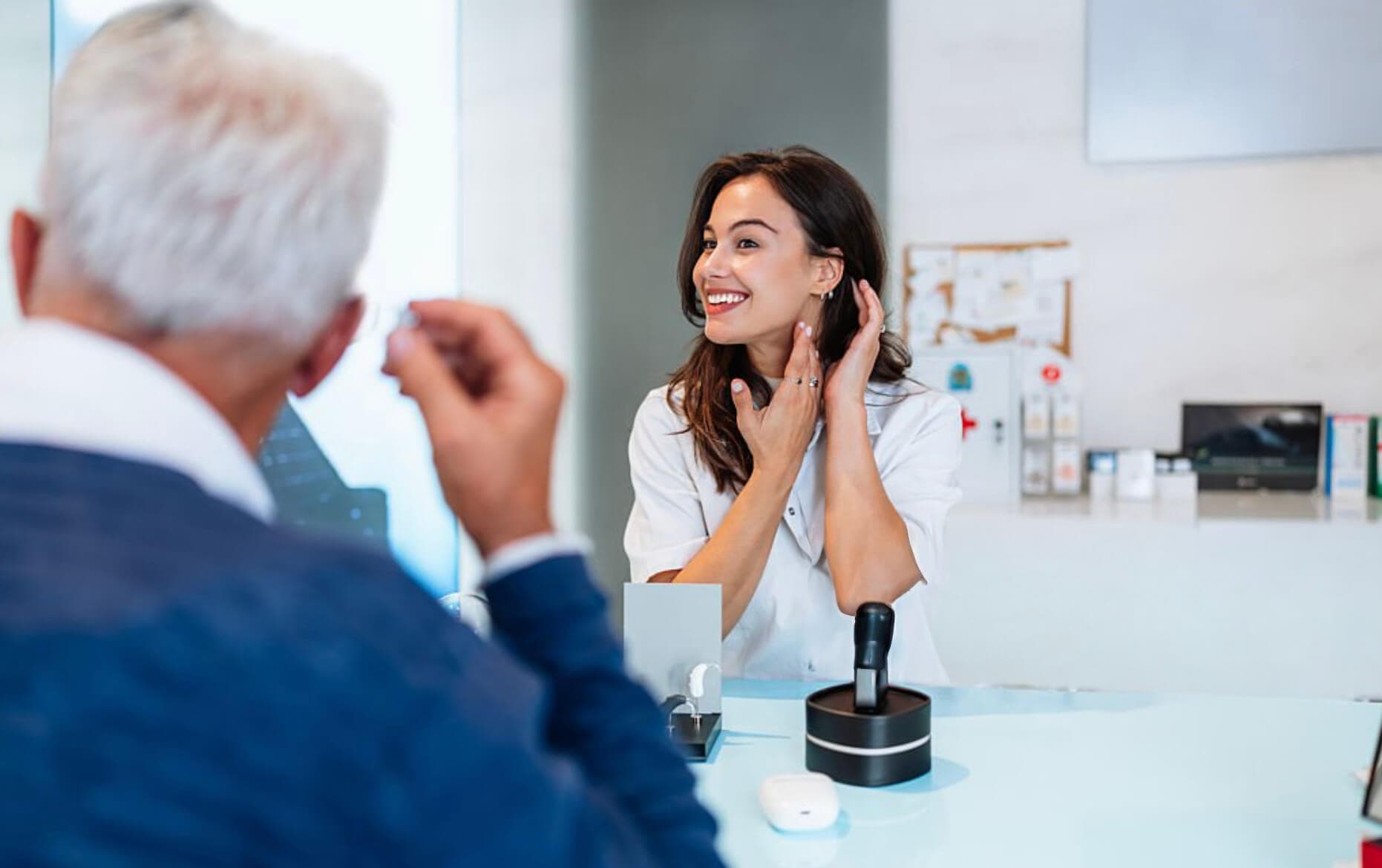
Getting custom earplugs usually starts with a hearing professional taking a quick, painless mold of your ear canal. They place a soft material in your ear for a short time. That mold is then used to create plugs that match your ears closely.
The result is a snug, comfortable fit that stays in place better than many store-bought options. This is especially helpful for smaller ears and for people who struggle to keep regular plugs in.
When Noise Has Already Caused Ringing Or Muffling
Many people first think about hearing when something feels "off." Common signs of noise-related damage include:
- Muffled hearing after a game, concert, or long day on the job
- Ringing, buzzing, or whooshing sounds in quiet rooms
- Needing to turn the TV up higher than before
- Trouble following conversations in restaurants, at church, or in groups
If any of these sound familiar, it is a good idea to have your ears checked.
A full hearing test can:
- Look for changes in hearing across different pitches (low to high sounds).
- Check for ringing in the ears (tinnitus).
- Look for other ear problems like wax buildup.
A hearing care professional in Knoxville can walk you through what is going on and talk about next steps. That might include:
- Better protection for your work or hobbies.
- Hearing aids if there is already hearing loss.
- Tools to help manage tinnitus.
- Simple changes in your daily habits to help slow any further damage.
Make Your Next Loud Day In Knoxville Ear-Safe
Big games, live music, and hard work are a big part of life here. Protecting your ears does not mean staying home. It just means planning a little.
You can throw earplugs in your bag with your sunscreen and sunglasses, or keep muffs in the truck with your tools.
A Simple 3-Step Noise Safety Plan Can Help:
- Know when it is loud: notice times when you have to shout to be heard at arm's length.
- Carry protection: keep earplugs or muffs handy for games, concerts, and noisy jobs.
- Get checked: have your hearing tested every year or two, especially if you are around loud sound often.
With a little care now, you can enjoy those Knoxville weekends, cheer at UT games, sing along at concerts, and still hear your family clearly for years to come. Volunteer Hearing is here to support you with testing, guidance, and protection options in Knoxville, Sevierville, and Clinton whenever you are ready to learn more about keeping your hearing safe.
Hear More Clearly With Personalized Local Support
If you are ready to take the next step toward better hearing, our team at Volunteer Hearing is here to help you find solutions that fit your life and your budget. Schedule a visit with a trusted hearing aid specialist in Knoxville to explore your options and get straightforward answers to your questions. If you prefer to talk through your needs first or ask about appointment availability, simply contact us and we will follow up promptly.