Why Skipping a Hearing Test Can Cost You More
Buying over-the-counter (OTC) hearing aids can seem quick and easy. You see them in a store or online, click a button, and they show up at your door. But without a real hearing test first, many people end up with whistling devices, strange sound quality, and a lot of frustration. Soon, those little devices are sitting in a drawer or in the trash instead of in your ears.
OTC hearing aids are made to be simple to get. You do not need a prescription or a referral, and you can find them in big stores or online. That makes them very popular. But easy to buy does not always mean easy to use or right for your ears.
Here is the main idea. Even if you want to use OTC hearing aids, a proper hearing test can help you pick better, spend smarter, and actually hear more clearly in real life. A short visit with a hearing professional can be the difference between "these are awful" and "these finally help."
What OTC Hearing Aids Can and Cannot Do
OTC hearing aids can be a good match for some adults, in the right situation. They are meant for people who notice mild to moderate hearing trouble in daily life. For example, you might:
- Ask people to repeat more often
- Struggle to follow group talks in a restaurant
- Turn up the TV louder than your family likes
- Miss parts of what someone says if they are in another room
If that sounds like you, OTC hearing aids might help. But they do have limits.
OTC devices are not custom-built just for your ears. They usually come in a few basic styles and use general settings. That means:
- They may not match the hearing level of each ear
- They may not give enough help in noisy places
- They may feel awkward or loose in the ear
- They might not work well if your hearing loss is more serious or if you have strong ringing in your ears
There are also warning signs that mean OTC might not be enough or might not be safe as your only step. Pay close attention if you have:
- Trouble hearing even when it is quiet and only one person is talking
- Ear pain, pressure, or fluid that comes and goes
- Sudden changes in hearing or hearing that seems to cut in and out
- Ringing or roaring in your ears that keeps you awake or affects daily life
When any of these are going on, a hearing test with a professional is the better first move. That way, you know if OTC hearing aids are a smart next step or if your ears need other care first.
The $1,200 Mistake: A Warning About "Cheap" Hearing Aids
I had a patient recently who really liked the sound of the prescription hearing aids I let him demo, but when he saw the price tag, he got a bit of sticker shock. He decided to try and save some money by ordering a pair of those "over-the-counter" (OTC) hearing aids online instead.
Well, it didn't go great. He couldn't get them to sound right, and when he tried to call the company for help, he couldn't get a human on the phone. In the middle of messing with them, he actually ended up breaking them.
So, he tried again. He bought a second pair from a different brand online. Same story. They didn't fit his ears right, the sound was nowhere near as clear as the ones I showed him, and again—zero support from the company. He got so fed up and frustrated that he literally threw them in the trash.
By the time he came back to see me, he had wasted $1,200 on those two pairs of "cheap" hearing aids. That was $1,200 he could have put toward a real prescription set that was actually made for his ears.
He was looking for a quick, cheap fix, but it ended up costing him way more in the long run. He learned the hard way that when you go with a prescription set, you aren't just paying for the device—you're paying for the local service, a 3-year warranty, and a real person right here in the office to make sure you're actually hearing your best.
Why a Hearing Test Still Matters With OTC
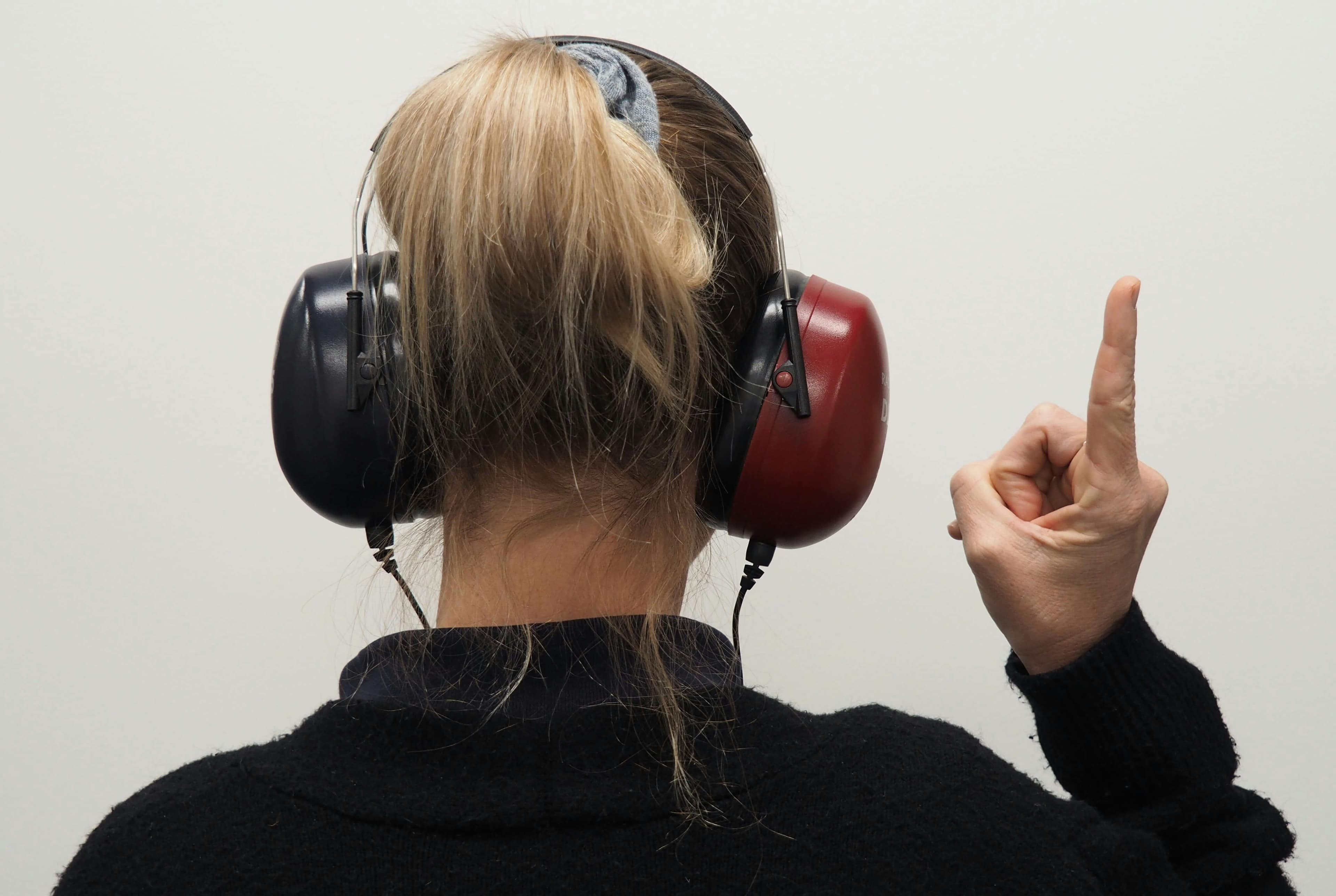
Many people hear the words "hearing test" and worry it will be long, confusing, or uncomfortable. It is usually the opposite. A standard test is a relaxed visit. You sit in a quiet room, listen to soft beeps, and repeat simple words. There is no pain, and most people are surprised by how easy it feels.
The results of that test create a kind of "map" of your hearing. This map shows:
- Which pitches you hear well and which are harder
- How each ear is doing on its own
- How clearly you understand speech at different loudness levels
When you have this map, shopping for OTC hearing aids becomes more focused. You are not just guessing at what might work. You can compare your hearing needs to what each OTC device is made to do.
A hearing test can also help you avoid common problems, like:
- Picking devices that are too weak, so you still strain to hear
- Picking devices that are too strong, so everything sounds loud and harsh
- Getting the wrong fit and dealing with squealing or whistling
- Thinking "hearing aids just do not work for me," when the real issue is the match, not the idea
With a little guidance, you are far more likely to find devices you actually want to wear.
How Knoxville Shoppers Can Get Tested First
If you live in or around Knoxville, getting a hearing test does not need to be a big deal. Local hearing offices offer full hearing checks in comfortable settings. At Volunteer Hearing, we see people in our Knoxville, Sevierville, and Clinton locations, and we keep the process simple and clear.
Summer often means more family cookouts, more church events, more ball games, and more time outdoors. All of that usually comes with more talking and more background noise. That makes it a smart time to get your hearing checked, so you are not nodding along and missing half the story.
A test can usually fit into a busy day. Visits are often shorter than people expect, with clear steps and time for questions. For people who do not want to drive or have trouble getting out, Volunteer Hearing also offers mobile in-home hearing care. A hearing professional comes to you, so you can still get a proper test before choosing devices.
Comparing OTC, Prescription, and Professional Help
It helps to see your choices in simple terms. In general, you can think of three paths:
- OTC hearing aids: You buy them in stores or online. They are for adults with mild to moderate hearing loss. There is little custom fitting, and you handle most of the settings yourself.
- Prescription hearing aids: A hearing professional fits and programs these after a full test. These are better if your hearing loss is more complex, if you have bothersome ringing in your ears, or if you need more detailed changes over time.
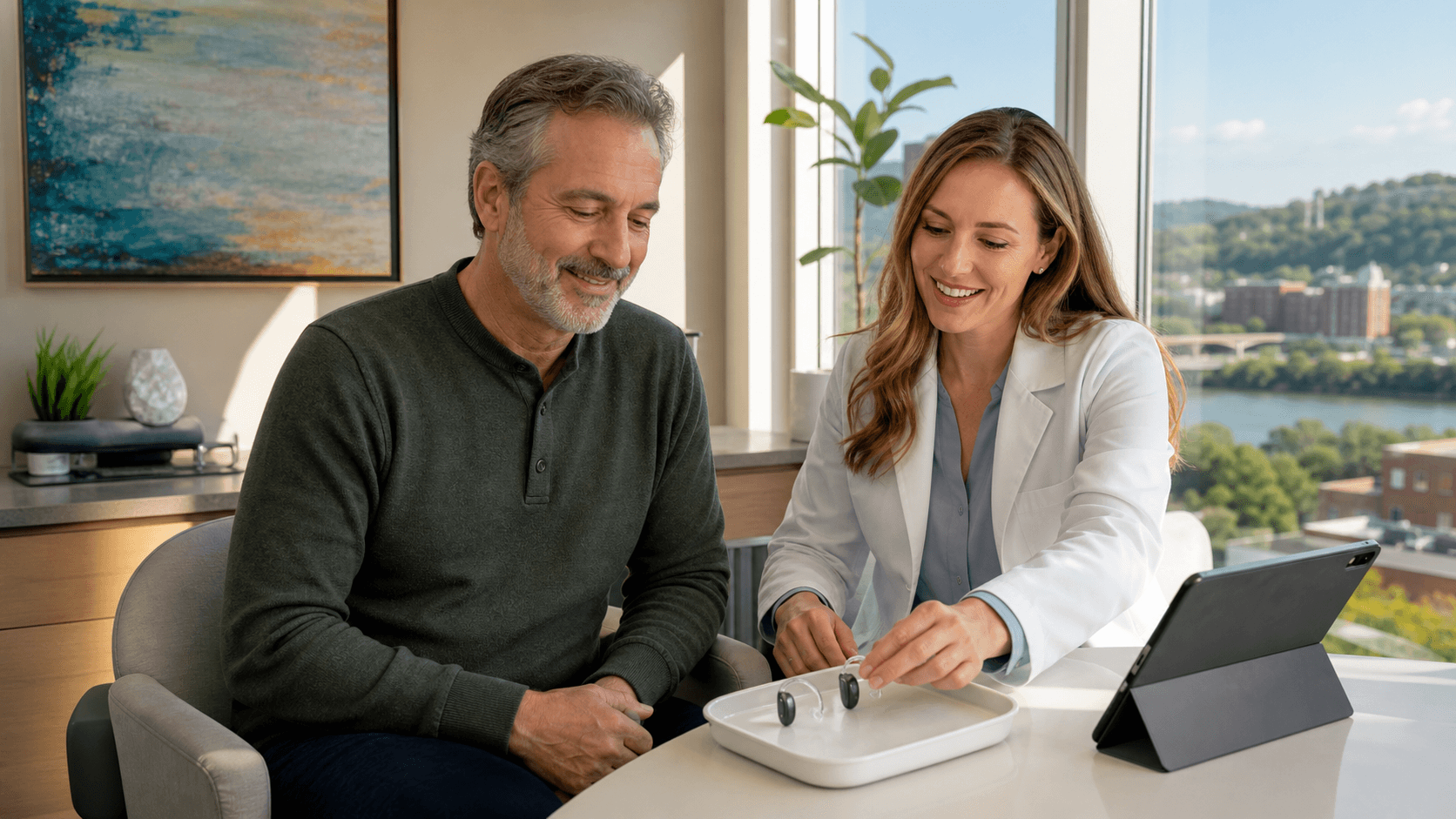
- Hybrid help: Our audiologists can help you select the best OTC device for you. They read your hearing test results, explain your options, and help with basic setup or simple problems.
OTC hearing aids might be enough if your hearing loss is mild, you are comfortable with basic technology, and your main goal is a simple boost in everyday settings. A custom prescription device is usually better when:
- You have trouble even in quiet settings
- You have different levels of hearing loss in each ear
- You notice ringing in your ears that bothers your sleep or focus
- You have worn hearing aids before and need more detailed changes
An audiology practice like Volunteer Hearing can also help you make the most of whatever you choose. Professional support can:
- Adjust sound settings so voices feel natural, not thin or harsh
- Help you learn features like programs, buttons, and apps
- Check the fit so the devices feel secure and comfortable
- Help fix feedback, echo, or other annoying sounds
The goal is not just louder, but clearer, more natural hearing that fits your daily life.
Smart Steps Before You Click "Buy Now"
While OTC hearing aids might seem like a great way to save a few bucks upfront, they often end up being more trouble than they're worth. Without a professional to custom-fit them to your specific needs, you might find yourself stuck with a device that doesn't actually help you hear any better.
Before you grab over-the-counter hearing aids from a shelf or add them to an online cart, a simple plan can save you time and stress. Use a short checklist like this:
- Notice your main hearing problems, and where and when you struggle most
- Book a full hearing test with a local professional, and keep a copy of your results
- Ask clear questions about whether OTC is a good match for your specific hearing
- Use your test results when you compare different OTC options
When you are actually shopping, a few details matter:
- Look for clear return or trial policies in case the devices are not a good fit
- Check that there is an easy volume control and simple sound settings you can manage
- Think about size, battery type, and how the devices fit your daily activities
- See what kind of support is offered if something breaks or stops working
Once you are using hearing aids, even OTC devices, a few simple supplies can make life easier. Things like cleaning tools, wax guards, domes, and batteries or chargers help your devices last longer and work better.
Ready to Hear Better in Knoxville This Summer
Clear hearing is a big part of enjoying time with family and friends, hearing music, and feeling safe and confident in busy places. You do not have to wait until another family get-together, church service, or fireworks show passes by in a blur of half-heard sounds.
Before you commit to OTC hearing aids in Knoxville, give yourself the advantage of a real hearing test. At Volunteer Hearing, we offer testing in our Knoxville, Sevierville, and Clinton offices, along with mobile in-home hearing care for those who prefer to stay put. One simple step, a proper hearing test, can help make sure that whatever devices you choose actually help you enjoy the everyday sounds of East Tennessee again.
Hear Clearly and Confidently With the Right OTC Solution
If you are exploring options to improve your hearing on your schedule and budget, our team at Volunteer Hearing is ready to help you choose the right fit. Start by reviewing OTC hearing aids in Knoxville so you can understand which devices match your lifestyle and level of hearing loss. If you would like personal guidance or have questions before getting started, please contact us so we can walk you through your next steps.