Hearing loss can sneak up quietly, and many people do not realize how much they have been missing until a conversation feels a little harder to follow. If you are thinking about scheduling a hearing test in Clinton, TN, and are not sure what to expect, that is completely normal. A first-time visit can bring up questions, but knowing what happens during the appointment can help ease any stress.
A hearing test is not scary or painful, and it does not take very long. We walk people through this process every day, and once they understand how it works, they are usually surprised by how easy it is. Whether you are just curious about your hearing health or if you have noticed a steady change, here is how a typical hearing test appointment goes from start to finish.
Getting Checked In and Preparing for Your Visit
Once you arrive at the clinic, the process starts with a friendly check-in. We will ask you to fill out a simple form with your health history and any hearing concerns you have been having. This helps us understand where to begin. If you have had recent illnesses, take medications, or have worked in a noisy setting like construction or manufacturing, do not forget to include that. Those details can help show the full picture. In Clinton, your appointment takes place at our Volunteer Hearing office at 1130 N Charles G Seivers Blvd inside Clinton Drug Store, convenient for people in nearby Tennessee communities.
You might also be asked a few questions while you are getting settled, such as:
- Have you noticed trouble hearing in specific places, like when you are on the phone or in a crowded room?
- Do your ears ring or feel plugged?
- Has anyone close to you mentioned they have had to repeat things more often?
These questions are not meant to worry you. They simply guide the process so we can better understand what your hearing feels like from your point of view.
Starting with a Look Inside Your Ears
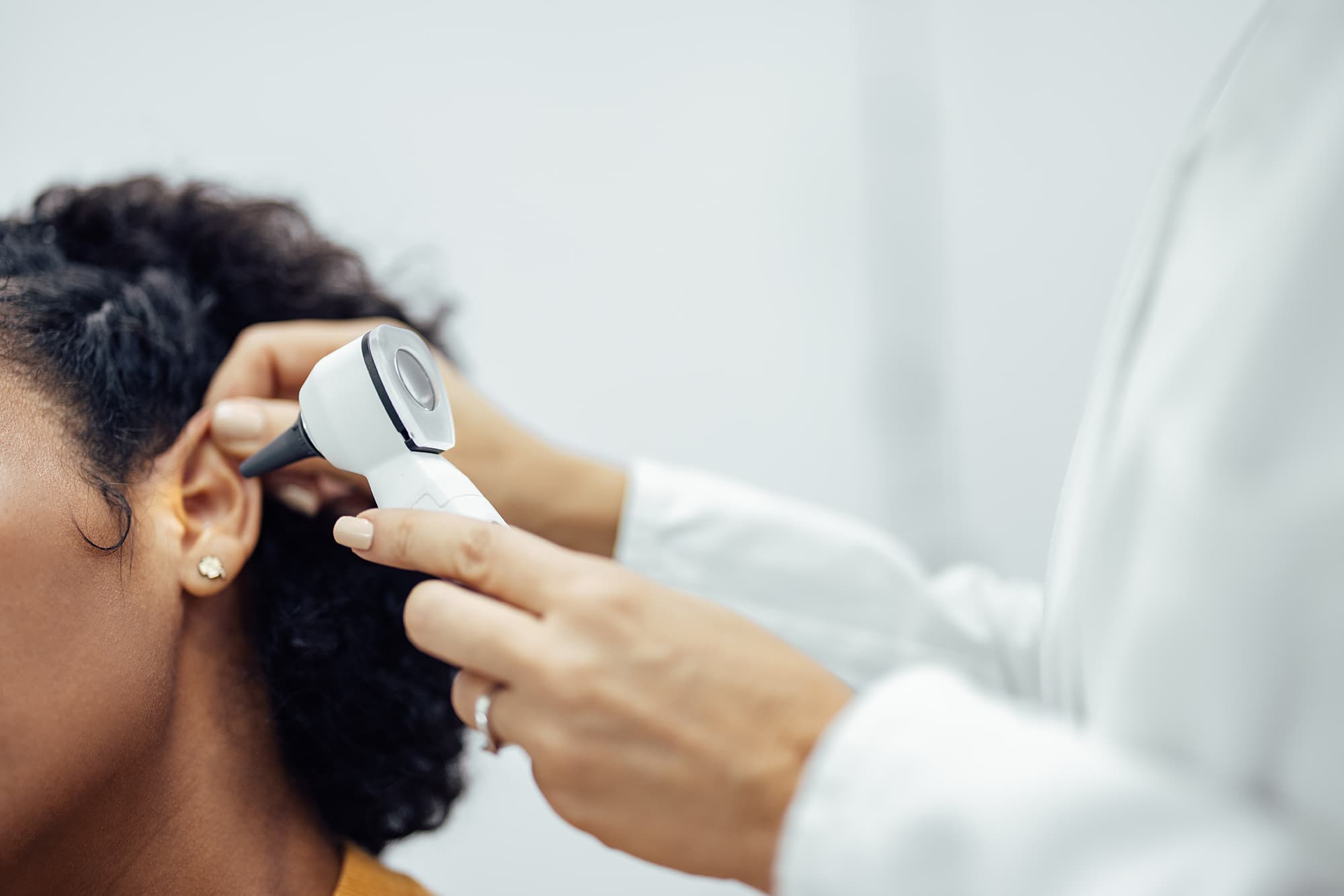
Before we begin any testing, we will take a close look inside your ears using a special light and a handheld magnifier. This helps us check for anything that could be causing trouble, like built-up earwax or signs of an ear infection. If there is a blockage, it can affect what you hear and may need to be removed before testing.
This step is not uncomfortable. It is quick, and most people find it interesting to know if something simple could be part of why they have not been hearing clearly. Think of it like dusting off your windshield before checking your wipers, it helps make sure we are seeing everything clearly before moving on.
The Actual Hearing Test Experience
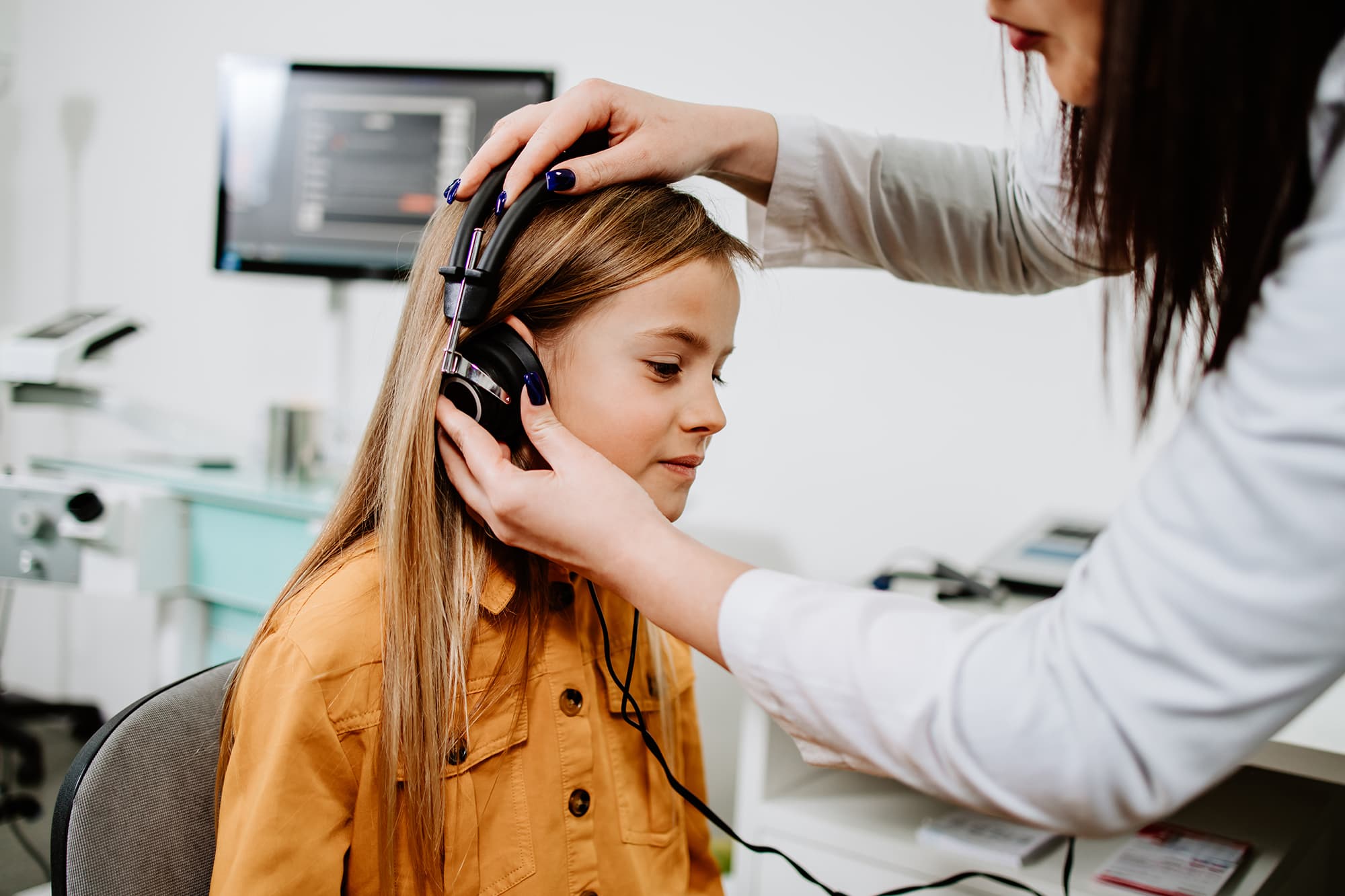
Once your ears are checked and clear, the next part of the appointment takes place in a quiet room. You will sit down and wear soft, padded headphones. This is where the hearing test officially begins.
You will hear a series of beeps and tones through the headphones. Each tone is a little different, a mix of high, medium, and low pitches. Every time you hear a sound, you will raise your hand or press a button. These small actions help us know exactly what you are able to hear and what sounds might be harder to pick up.
After the tone part, there may be a speech section. This involves listening to simple words or short sentences and repeating them back. This part is especially helpful because it relates more to how we hear in everyday conversations. Some people hear tones just fine but struggle with understanding words, especially when there is other noise around.
For older adults or people who have not had a hearing test in many years, this part of the process can be eye-opening. It is not a test you can pass or fail, it is just information that helps us figure things out together.
Understanding Your Results Right Away
Once the test is over, we will go over your results with you. They are shown on something called an audiogram, which is a simple graph that shows how you hear different sounds and pitches. Do not worry if it looks confusing, we will explain what everything means in everyday terms.
The audiogram helps answer questions like:
- What range of hearing is still working well?
- Are there specific sounds or tones that are harder for you to hear?
- Is the hearing loss mild, moderate, or something more?
Seeing your results makes a difference. It gives you something real to go by, and it often helps explain things you have been noticing in daily life. Whether it is asking people to repeat themselves or turning up the TV more than usual, it starts to make sense.
Next Steps Based on What Was Found
What happens next depends on what the test shows. If your hearing is within a normal range, we will likely suggest a simple check again in the future, just like you would with your eyes or teeth.
If it turns out there is mild or moderate hearing loss, we will talk through what that means and what your options might be. Some people may be referred for hearing devices to help improve clarity, especially if conversation challenges have been getting in the way. Depending on your needs, Volunteer Hearing can guide you through options such as hearing aids, tinnitus management approaches, or custom ear molds that support a better listening experience. In some cases, a medical specialist may be needed if the hearing loss is related to an underlying condition.
No matter the outcome, we always offer clear feedback and a plan that fits your comfort level. The goal is not just to collect data, but to help you make informed choices you feel good about.
Clear Hearing Starts with a Simple Test
Getting a hearing test in Clinton, TN is one of the easiest ways to learn more about your own hearing. It is quick, safe, and gives answers that can be hard to get any other way. Many people walk in unsure but leave feeling clearer about what is going on and what they can do next.
Winter is a season full of indoor get-togethers and close conversations. If hearing has become harder, these moments can feel more distant. A hearing test helps bring those moments back into focus. All it takes is a quiet room and a little time to start hearing more of winter again. For some people near Clinton, that quiet room is our local clinic, and for others it is their own kitchen table during a home visit, since we offer mobile hearing evaluations in the East Tennessee area.
At Volunteer Hearing, we know how important it is to feel confident about your hearing, especially during the colder months when people gather indoors more often. Local residents often discover that a simple first visit can make all the difference when considering their next step. Taking the time for a hearing test in Clinton, TN gives you clear answers and sets the stage for better day-to-day communication, bringing big relief as listening becomes easier. When you are ready to move forward, contact us to schedule a time that suits you.
Frequently Asked Questions
- What happens during a hearing test in Clinton, TN?
- A hearing test usually starts with check-in questions about your health history and hearing concerns, then a quick look inside your ears for wax or infection. Next you wear headphones in a quiet room, respond to beeps and tones, and may repeat words or short sentences. You typically review your results right away on an audiogram graph.
- How long does a hearing test take, and does it hurt?
- Most hearing tests are quick and are not painful. You listen to sounds through soft headphones and respond by pressing a button or raising your hand. The ear exam is also brief and should not be uncomfortable.
- Why does the hearing specialist look inside my ears before the test?
- Looking inside the ears helps check for problems like built-up earwax or signs of an ear infection that can affect hearing. If there is a blockage, it may need to be addressed before testing so the results are accurate. This step is fast and straightforward.
- What is an audiogram, and what do hearing test results mean?
- An audiogram is a simple graph that shows how well you hear different pitches and volumes. It helps identify which sounds are easier or harder for you to hear, which can explain why conversations may feel unclear. A provider can walk you through what the pattern means for your day to day hearing.
- What is the difference between the tone test and the speech test in a hearing exam?
- The tone test measures the softest beeps you can hear at different pitches through headphones. The speech test checks how well you understand words or short sentences, which relates closely to real conversations. Some people hear tones fairly well but still struggle to understand speech, especially in noisy places.