Everyday Habits That Quietly Harm Your Hearing in Knoxville
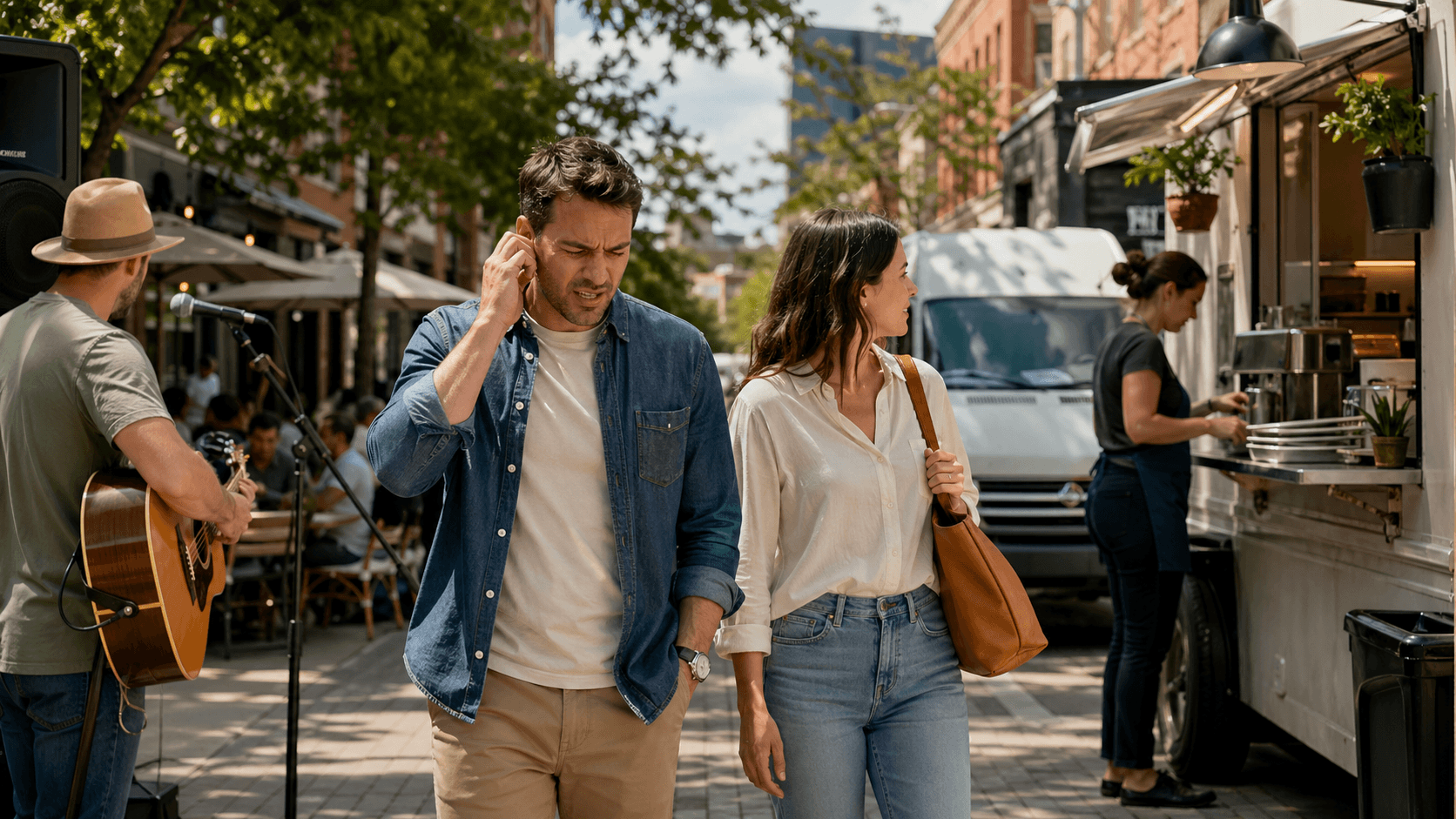
Hearing loss usually does not show up all at once. It sneaks in slowly, through normal days that feel harmless. In Knoxville, that might look like traffic on I-40, a quick stop near road work, a loud TV in the evening, and a ball game on the weekend. None of these things feel serious on their own, but over time, they can add up and bother your ears.
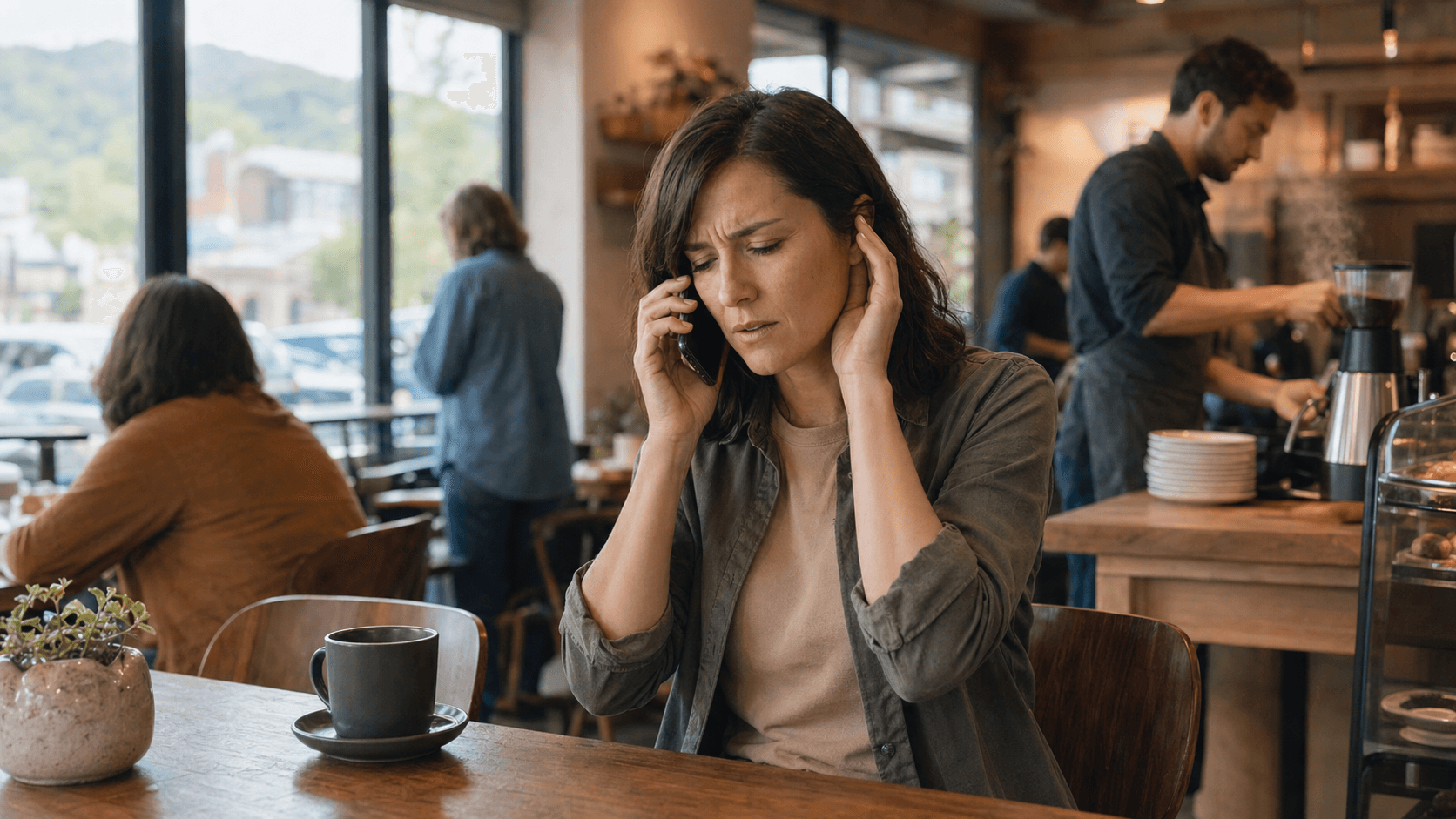
Most people do not notice the first small changes. You might start turning up the TV a little higher. You may say “what?” or “huh?” more often, or have a hard time following a talk in a busy restaurant. Some people notice ringing or buzzing in their ears, especially at night. These are small warning signs that your ears are working harder than they should. The good news is that small changes and a visit with an audiologist in Knoxville, TN, can help protect your hearing for the long run.
Everyday Sounds in Knoxville That Sneak Up on Your Ears
Life here is full of sound. Traffic, early morning yard work, kids’ sports, and weekend events are part of the rhythm of East Tennessee. Because hearing loss is usually slow and painless, it is easy to shrug these sounds off.
Common early warning signs include:
- Needing to turn up the TV or radio more than others in the room
- Struggling to hear in restaurants or at church
- Hearing ringing, buzzing, or whooshing in one or both ears
These are your ears asking for a little help. You do not have to avoid sound, but it helps to notice how often your ears feel tired, overloaded, or “full” after a noisy day.
Loud Knoxville Moments That Damage Your Ears
Inside the inner ear are tiny hair cells that help change sound into signals your brain can understand. Loud sounds can bend or break these tiny cells. Once they are damaged, they do not grow back. Your ears might not feel sore, but the harm can still be happening.
Some Common Local Sound Triggers Are:
- Big sports and concerts, like games at Neyland Stadium or events at Thompson-Boling Arena
- Live music, high school games, and local festivals
- Trips to amusement parks, car shows, fireworks, and summer fairs
- Power tools and outdoor gear like lawn mowers, weed trimmers, leaf blowers, chainsaws, and pressure washers
Simple Habits Can Lower the Risk:
- Keep foam earplugs in your car, bag, or pocket so you have them when sound gets loud
- Turn down speakers or radios one or two clicks from where you usually set them
- Use the “arm’s length rule”: if you must shout to be heard by someone an arm’s length away, it is too loud, so protect your ears or move farther from the sound
These are small steps that still let you enjoy the fun parts of Knoxville without punishing your ears.
Everyday Tech Habits That Are Tough on Hearing
Earbuds and headphones feel like part of daily life now. Because they sit so close to the eardrum, they can send a lot of sound into a small space. That is why they can be a hidden danger for both kids and adults.
A Few kid-friendly Safe Listening Tips Help Everyone in the Family:
- Follow the “60/60 rule”: no more than 60 percent volume for 60 minutes, then take a break
- Choose over-the-ear headphones instead of earbuds when you can
- Use volume limit settings on smartphones and tablets, especially for children and teens
Other Tech Habits Can Bother Your Ears Too:
- Sleeping with earbuds all night, especially if podcasts or white noise are turned up too high
- Binge-watching TV with the volume slowly creeping higher to cover outside noise or thin apartment walls
- Turning Bluetooth speakers up very loud in small rooms or cars, where sound bounces off hard surfaces
An audiologist in Knoxville, TN can help you find safer listening levels, explain how long is too long for headphones, and show simple tools that help you keep track of loud sound during the week.
Quiet Habits That Still Put Your Hearing at Risk
It is not only loud sound that affects hearing. Your overall health and some everyday choices matter too, because the inner ear needs good blood flow and healthy nerves to work well.
Habits and Health Conditions That Can Raise Risk Over Time Include:
- Smoking or vaping, which can reduce blood flow to the tiny parts of the inner ear
- Unmanaged diabetes, high blood pressure, and heart disease, which can affect blood flow and nerve health
- Certain medicines, such as some cancer treatments, strong antibiotics, or long-term high-dose pain relievers, which can sometimes bother hearing or cause ringing
Then there are ear habits many people do not think about. Putting cotton swabs, earbuds, or other objects into the ear canal can:
- Push wax deeper, making ears feel blocked
- Scratch the skin and lead to pain or infection
- Trap moisture that makes the ear more likely to have problems
Safer choices include cutting back or quitting tobacco with support, staying on top of blood pressure and diabetes care, and letting a hearing care professional clean and check your ears instead of trying to do it yourself at home.
Knoxville Work, Chores, and Hobbies That Wear Down Your Ears
A lot of common East Tennessee work is noisy. Over time, even steady, medium-level sound can wear your ears down.
Jobs and side work that can be hard on hearing include:
- Construction, factories, landscaping, and farming
- Law enforcement and first responder work
- Seasonal or part-time jobs that use loud tools or machines
- Frequent driving on noisy highways or in big trucks
Home tasks and hobbies can be just as rough on your hearing:
- Riding mowers, weed trimmers, chainsaws, and pressure washers
- Woodworking in the garage or home workshop
- Shooting sports and hunting around the region
- Indoor chores like vacuuming and loud blenders, especially for people with already sensitive ears
Protection does not have to be complicated:
- Keep earmuffs or simple earplugs in the garage, shed, or with your tool kit
- Use custom hearing protection for shooting and hunting so you can still hear voices while cutting the blast
- Ask an audiologist in Knoxville, TN to check how your ear protection fits and if it is strong enough for the sounds you are around
Simple Steps to Protect Your Hearing in Knoxville Today
Most hearing loss comes from many small moments piled up over years. The same is true for protection. Small daily changes can help keep your hearing clearer and more comfortable as you age.
An Easy Checklist for This Week:
- Pick one loud habit to change, like turning earbuds down, lowering TV volume, or wearing ear protection for yard work
- Buy a few pairs of earplugs and leave them in your car, at home, and with your outdoor gear
- Talk with your family about safe listening rules, especially for kids and teens who use headphones a lot
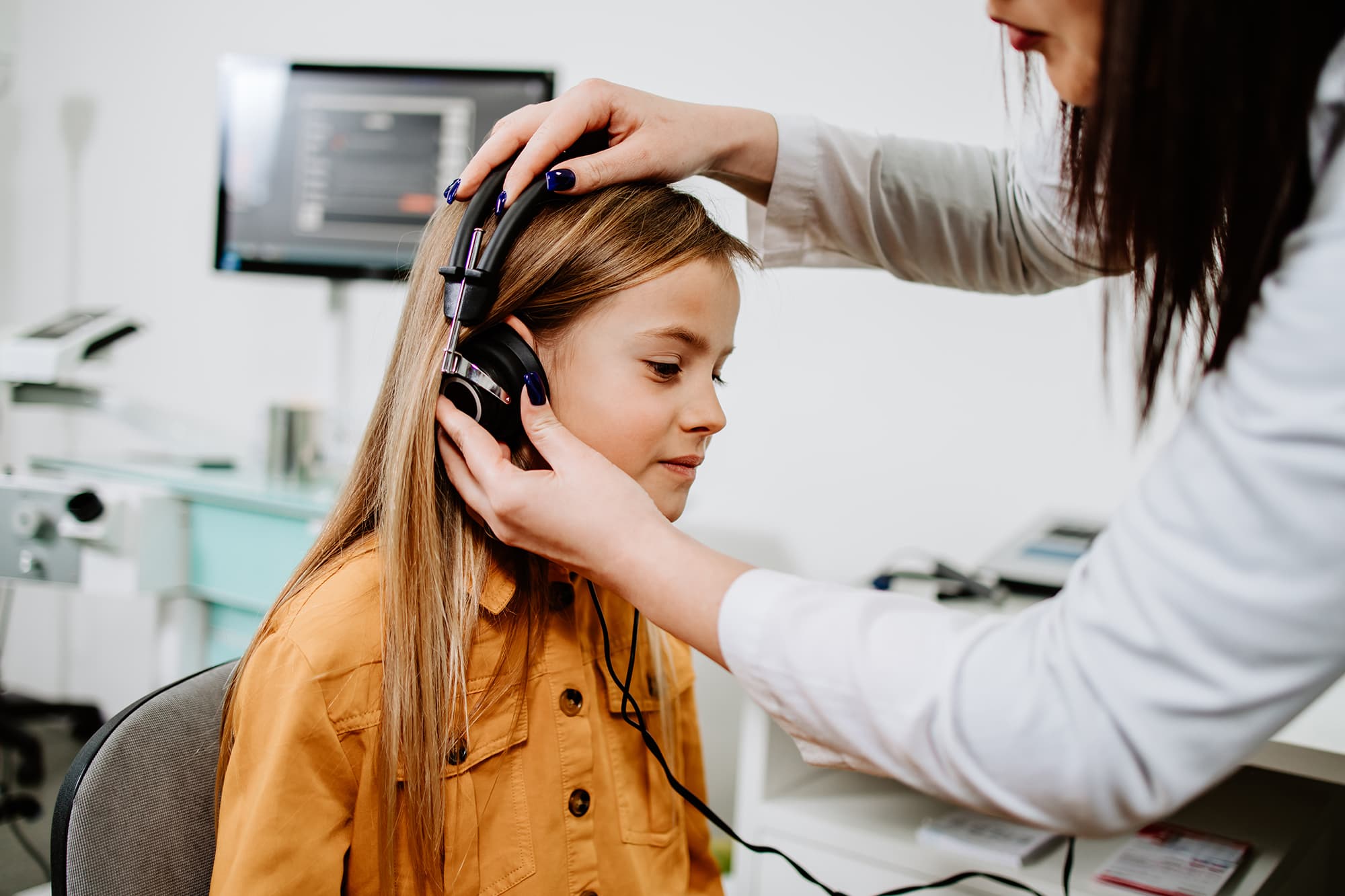
At Volunteer Hearing, we care about helping East Tennessee neighbors keep the sounds they love. A baseline hearing test at our Knoxville, Sevierville, or Clinton office, or a mobile visit if getting out is hard, can give you a clear starting point. Hearing tests are quick and painless, like an eye checkup, and if we find changes, we explain your options in simple terms and help you find a comfortable, custom solution for your ears and your everyday life.
Take Control Of Your Hearing Health Today
If you are noticing changes in your hearing, we are here at Volunteer Hearing to guide you to clear, confident listening. Schedule an appointment with an experienced audiologist in Knoxville, TN so we can evaluate your hearing and recommend the best solution for your needs. We will walk you through every step, answer your questions, and make sure you feel comfortable with your options. If you are ready to get started, simply contact us and we will help you set up a convenient time to come in.
Frequently Asked Questions
- What are early signs of hearing loss from everyday noise?
- Common early signs include turning up the TV or radio higher than others prefer and struggling to follow conversations in restaurants or at church. Ringing, buzzing, or whooshing in one or both ears can also be a warning sign.
- How loud is too loud for my ears in public places like games or concerts?
- A simple test is the arm’s length rule, if you have to shout to be heard by someone an arm’s length away, it is too loud. Move farther from the sound or use earplugs to lower your risk.
- Do foam earplugs actually help at Knoxville events and around power tools?
- Yes, foam earplugs can reduce sound levels and help protect the tiny hair cells in the inner ear that do not grow back once damaged. Keeping a pair in your car or bag makes it easier to use them at stadiums, festivals, fireworks, or while using lawn equipment.
- What is the 60/60 rule for headphones and earbuds?
- The 60/60 rule means listening at no more than 60 percent volume for 60 minutes, then taking a break. It helps reduce the risk of long, close range sound exposure from earbuds and headphones.
- What is the difference between earbuds and over the ear headphones for hearing safety?
- Earbuds sit closer to the eardrum, so they can deliver more sound into a small space and make it easier to listen too loud without noticing. Over the ear headphones can be a safer choice when used at reasonable volume, especially in noisy places where you might otherwise turn the sound up.