Over-the-counter (OTC) hearing aids are now easier to find than ever. These are hearing devices you can buy without a professional fitting or prescription. For people wondering if they need a little boost in hearing but aren’t sure where to start, it’s easy to see why OTC hearing aids might catch their attention.
We have noticed more people asking about OTC hearing aids in Knoxville, especially after the holidays when family gatherings and winter quiet time make hearing changes more obvious. Cold weather, indoor heating, and increased background noise can highlight hearing struggles that might have gone unnoticed during warmer months. If you are thinking about better hearing support in the new year, it helps to understand what OTC hearing aids do and when they actually make sense to use.
How OTC Hearing Aids Work
OTC hearing aids were created for adults who have trouble hearing soft sounds but can still pick up louder voices and daily noise. These devices can be bought in stores or online and adjusted by the user. Unlike prescription hearing aids, they do not require a hearing test before buying.
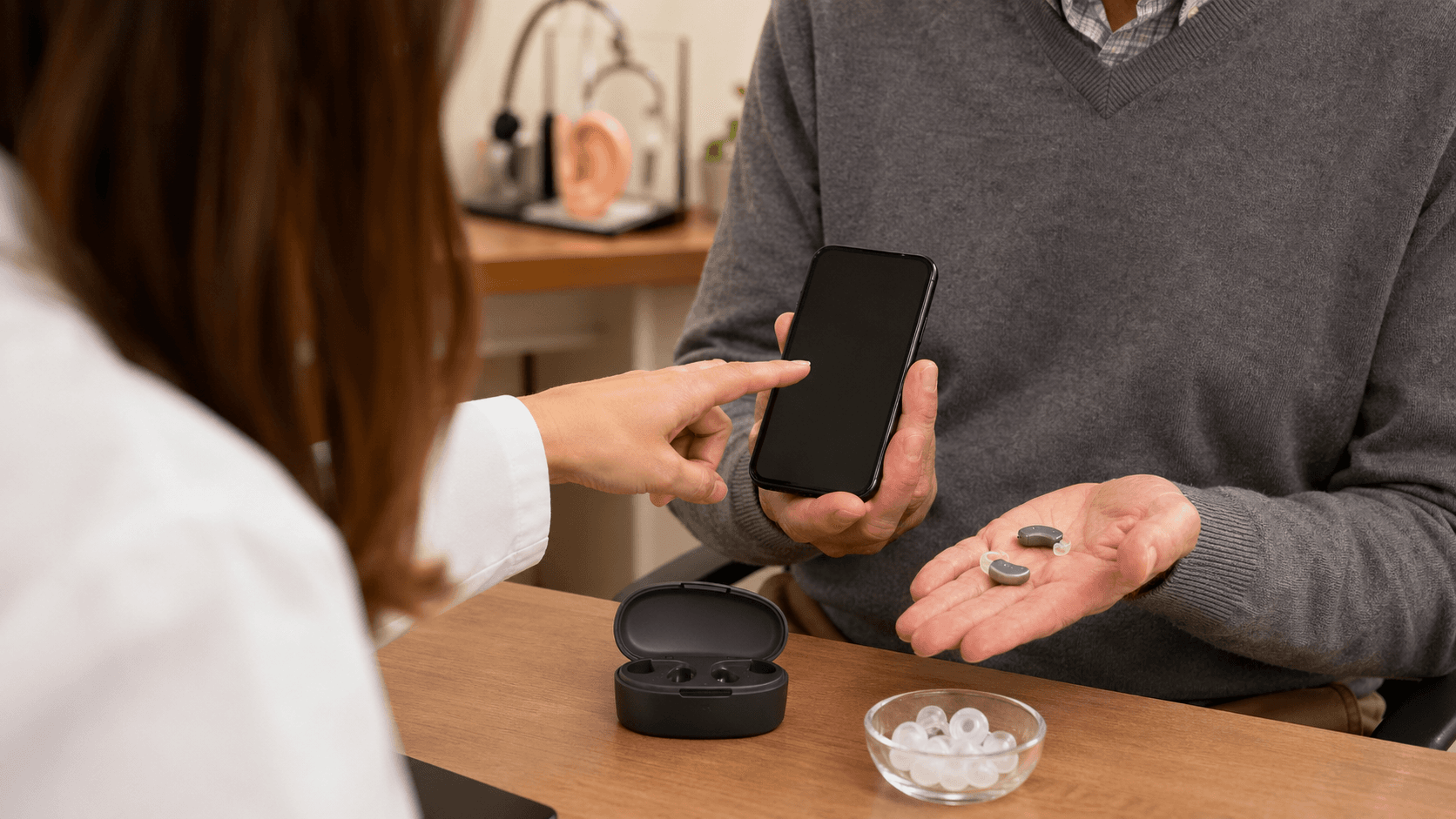
They are meant to support small changes in hearing, not more serious loss. At Volunteer Hearing, we share that OTC hearing aids can be a helpful option for mild hearing changes, but we still recommend a hearing evaluation first so you know they are safe for your ears. Users are expected to handle setup on their own, which usually involves adjusting volume and trying different ear tips. While that process seems simple, it leaves out one key part: professional guidance.
Without a test or expert review of how your ears are doing, it is easy to miss signs that a more complete solution is needed. This is one of the big ways OTC and prescribed hearing aids work differently. OTC devices can help in the right situation, but they are not meant to replace full hearing care.
Knowing When OTC Hearing Aids Might Help
Not everyone needs a prescription hearing aid right away. There are situations where using an OTC device might offer some short-term help, especially when the signs of hearing change show up in everyday tasks.
Some common signs that an OTC device might provide a little support include:
- Difficulty hearing the TV at normal volume
- Asking people to repeat themselves more than you used to
- Slight strain when listening in fairly quiet places
In East Tennessee, winter adds extra noise to the mix. Space heaters humming in the background, people speaking into scarves, and indoor social events can all make it harder to hear clearly. We have heard people mention that they notice these problems more after the holidays or during colder months when most time is spent inside.
Trying out an OTC hearing aid in these moments might help you hear a little better. It might even give you a good sense of how much support you need. But if you find the device hard to adjust or the improvement is not clear, it might be time to take a deeper look with a hearing professional.
Limitations to Be Aware Of
OTC hearing aids are only made for mild hearing loss. They do not come with a way to measure exactly what level of help your ears need. That is one of their biggest limits.
There are a few reasons why an OTC device might not be enough:
- Your hearing has changed more than you realize
- You have trouble in noisy places, even with help from the device
- The fit feels wrong, or the sound is not clear or balanced
Another thing worth thinking about is that hearing loss can shift over time. When we try to figure that out on our own, we might guess wrong. Without a hearing test, there is no real way to know what has changed, or if the device is a good match for your ears.
People with long-term concerns, buzzing or ringing in the ears, or problems hearing high-pitched voices may end up frustrated with an OTC device that does not truly address the issue. These are signs that it is probably time for more support and a closer check.
Why a Hearing Professional Still Matters
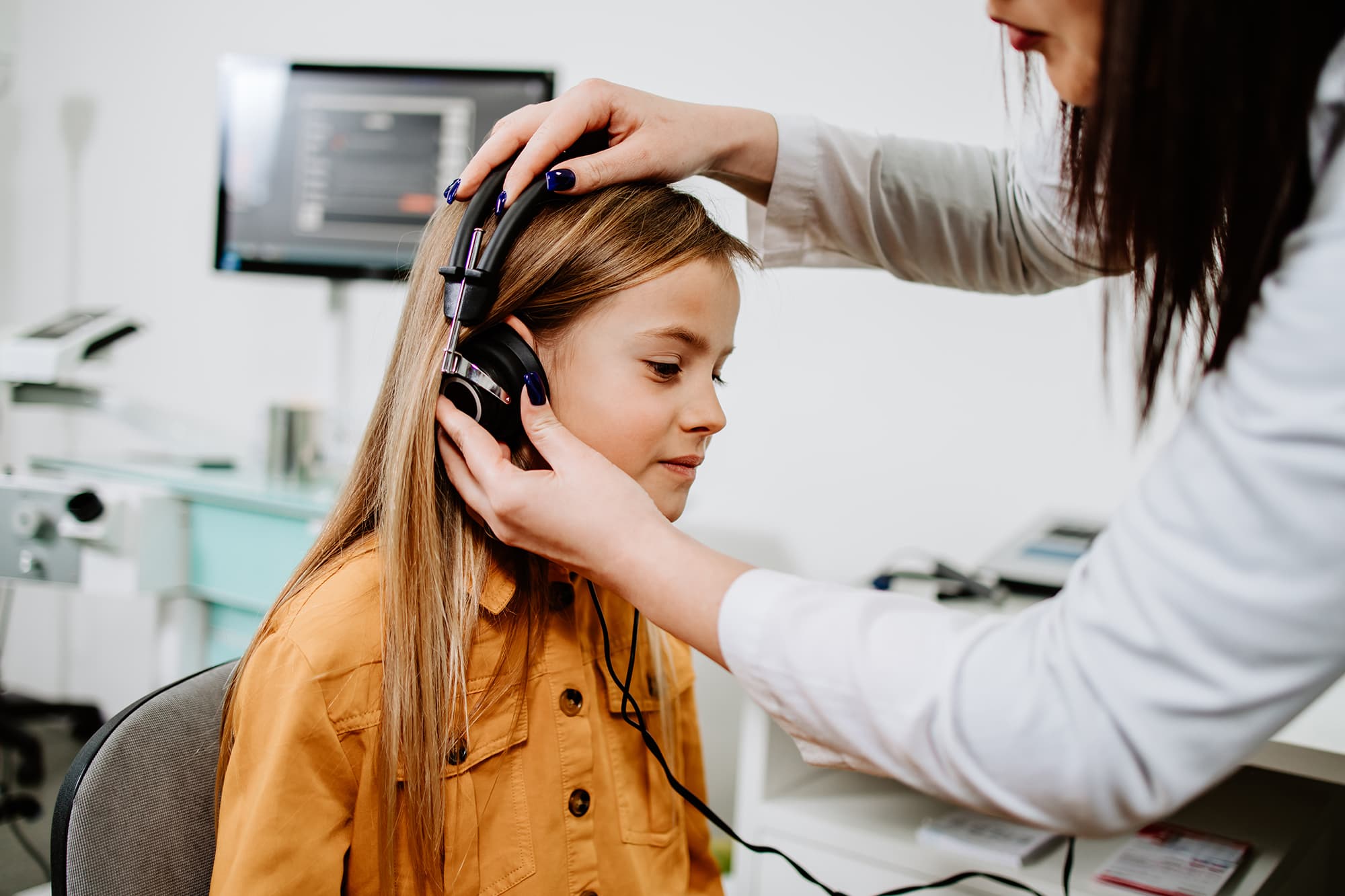
There is a reason hearing care is not one-size-fits-all. Everyone hears differently, even if the symptoms seem similar. That is why seeing a trained audiologist makes a difference.
What we bring goes beyond just testing and fittings. We walk through what your hearing is like, help explain what is going on, and fit devices that match your exact needs. We do not just hand off a device, we adjust it over time, clean it when needed, and check your hearing so small changes do not become big ones.
Even people who start with an OTC hearing aid often come in later when results fall short. That is totally normal. Hearing is something that changes, and what works for someone in their 50s might not be right ten years later. Having someone to turn to for guidance keeps the guesswork out and the comfort in.
Hearing Support That Fits Your Life
There is no one “right” answer when it comes to hearing help. Some people may find that an OTC device gives them a bit of support during a season where listening gets harder. Others may try it and realize they need something more personalized.
Either way, hearing is personal. What works for your neighbor, spouse, or friend might not be the right fit for you. That is why it is smart to treat OTC hearing aids as a possible starting point, not the full fix. If the device slips, sounds strange, or does not make things clearer, it is okay to try something different.
Clear hearing should feel comfortable and natural, not like a project you are constantly managing. Whether you are adjusting to small changes or looking for lasting support, knowing the difference between short-term fixes and long-term solutions can make all the difference. In Knoxville, that conversation can happen in our Washington Pike office or at your kitchen table during a home visit, since we offer both in-office and mobile hearing care across East Tennessee. And it always helps to have someone nearby who can help guide the way when you are ready.
Thinking about trying OTC hearing aids in Knoxville but not sure where to begin is common, and we are here to help you decide what is best for your hearing. Everyone's ears are different, so getting expert input early can save time and frustration if your device does not work as expected. At Volunteer Hearing, we take the guesswork out of that first step so you can move forward with confidence.
Frequently Asked Questions
- What are OTC hearing aids?
- OTC hearing aids are hearing devices you can buy in stores or online without a prescription or professional fitting. They are designed for adults with mild hearing loss who have trouble with softer sounds but can still hear louder speech and everyday noise.
- How do I know if an OTC hearing aid will help me?
- OTC hearing aids may help if you are turning up the TV more than usual, asking people to repeat themselves, or straining to hear in quiet conversations. If you still struggle in noise, the sound is unclear, or the fit feels wrong, a hearing evaluation is a better next step.
- Do I need a hearing test before buying an OTC hearing aid?
- A hearing test is not required to purchase an OTC hearing aid, but it is still a smart idea before you buy one. Testing can confirm whether your hearing change is mild and can help rule out medical or ear related issues that an OTC device cannot address.
- What is the difference between OTC hearing aids and prescription hearing aids?
- OTC hearing aids are adjusted by the user and are meant for mild hearing loss without a required hearing test. Prescription hearing aids are fit and fine tuned based on a professional evaluation, which can provide more precise support for more complex hearing needs.
- When should I see a hearing professional instead of trying an OTC hearing aid?
- You should see a professional if you have ongoing hearing concerns, ringing or buzzing in your ears, or trouble hearing high pitched voices. It is also a good idea if an OTC device does not improve clarity, is hard to adjust, or you struggle most in noisy places.