Hear More of the Moments That Matter
A hearing aid fitting should be about more than turning up the volume. We use real-ear measurements (REM) to see how hearing aids perform in your own ears, so settings can better match your hearing test and the sounds you want to hear each day.
Whether you are catching up with family over dinner, visiting a busy restaurant, enjoying a fall outing, or listening to grandchildren talk, you should not have to work so hard to follow every word. Hearing concerns are common. The National Institute on Deafness and Other Communication Disorders, or NIDCD, reports that "approximately 15 percent of American adults" age 18 and older report some trouble hearing, which equals 37.5 million people.
Real-Ear Measurements Match Aids to Your Ears
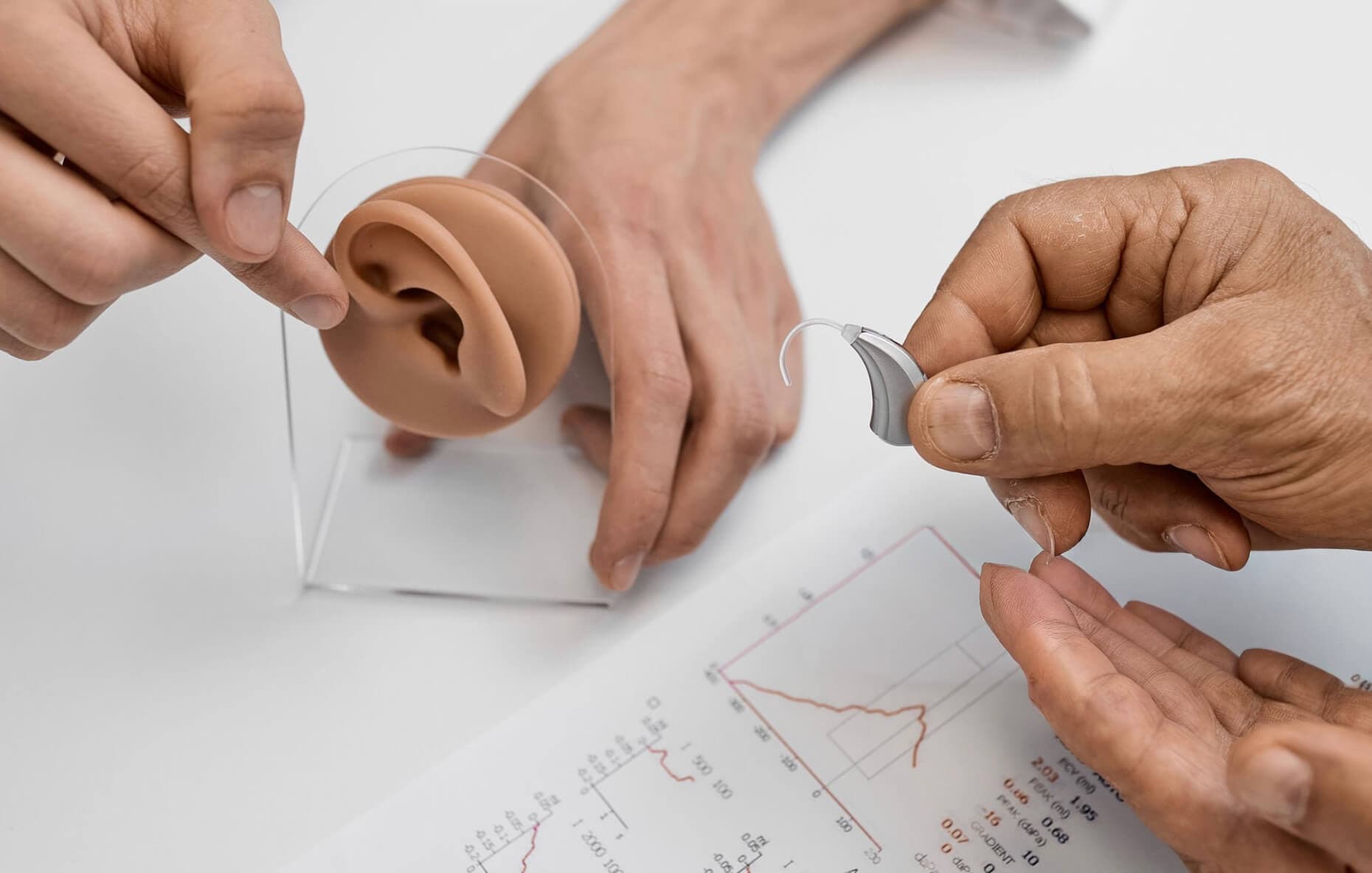
Real-ear measurements are a simple, in-office check that helps us fine-tune hearing aids for you. While you wear the hearing aids, we place a very small, soft tube near your ear canal. It does not touch your eardrum. The tube measures the sound that is actually reaching your ear while we play speech-like sounds through a speaker.
A computer can suggest a starting setting, but it cannot fully account for the shape and size of your ears. Small differences can change the way sound travels.
REM testing helps us compare what the hearing aids are doing with targets based on your hearing evaluation. Those targets help guide adjustments for soft, average, and louder sounds.
The American Academy of Audiology's adult hearing aid guidance recommends probe-microphone measures, another name for real-ear measurements, to verify hearing aid gain and output. Put simply, this test lets us check the sound where it matters most, inside your ear rather than only on a screen.
Why Real-Ear Measurements Made the Difference for Randy
Randy's story is a perfect real-world example of why real-ear measurements matter so much—and if you haven't read his full story yet, you can check it out here.
The short version: Randy came to us after a frustrating month with hearing aids that just weren't working for him. He could hear noise just fine, but understanding speech was still a struggle. After switching to a new pair of Widex Allure 440s, we sat down and did a full fitting, and the most important part of that fitting was the REM.
Here's what that looked like in practice. Once we ran the measurements, they showed us that Randy's ears needed quite a bit more volume in the higher frequencies than the default settings were providing. That's not something you'd ever know just by plugging in the manufacturer's recommended settings and calling it a day. But because we took that extra step and actually measured what was happening inside his specific ears, we were able to dial things in precisely for him.
The difference was immediate. Right there in the office, before he even walked out the door, Randy said he could already tell things were different. A couple of weeks later at his follow-up, he told us there was simply no comparison. He was having real conversations again—with his family, at work, in noisy restaurants—without exhausting himself just trying to keep up.
That's exactly what real-ear measurements are designed to do. Not guess. Not assume. Actually verify that what you're hearing is what you need to be hearing.
What Happens During a Sevierville Hearing Aid Fitting
Your fitting begins with a conversation. We review your hearing test and ask about the places where hearing feels hardest. You do not need to know hearing aid technology before you arrive. Our job is to explain the process in plain language and listen to what matters to you.
During the appointment, we may talk about situations such as:
- Phone calls and television at home
- Family conversations and visits with grandchildren
- Restaurants, church gatherings, and shopping
- Work, hobbies, music, or time outdoors
Next, we place the thin measurement tube near your ear canal and make sure the hearing aids are sitting correctly. You will hear calibrated sounds, including soft speech-like sounds and louder sounds. While you listen, we watch the measurements on a screen and compare them with your hearing targets.
Screen results matter, but your feedback matters too. We may adjust speech clarity, volume, or comfort across different sound ranges. It is normal to need follow-up changes after wearing hearing aids in everyday settings. Your brain and ears need time to get used to sounds you may not have heard clearly for a while.
Better Settings Can Help in Busy Places
Hearing aids should not make every sound equally loud. A careful fitting aims to make speech easier to notice and more comfortable without making dishes, traffic, or background chatter feel like too much.
That balance can matter during family dinners, football watch parties, restaurant meals, church events, and seasonal outings around Tennessee. These places can be difficult because several voices and sounds are happening at once. Even people with hearing aids may still find some noisy settings challenging.
The NIDCD explains that hearing aids do not restore normal hearing, and they do not remove all background noise. Still, thoughtful programming, real-ear measurements, practice, and follow-up care can help you get more useful sound from your devices.
We often encourage you to pay attention to patterns, not just one difficult moment. If speech sounds clear in a quiet room but fades in a restaurant, that is helpful information for us to discuss at a follow-up visit.
Questions to Ask Before You Leave
A fitting is a good time to ask questions. Clear answers can help you feel more comfortable using and caring for your hearing aids at home.
Consider asking us:
- Did my hearing aids meet my real-ear measurement targets?
- What adjustments did you make, and why?
- How do I change programs or manage volume settings?
- What should I do if sound feels too sharp, loud, soft, or unclear?
- When should I return if I notice a problem in certain places?
Honest details about your daily listening needs are especially useful. Tell us if phone calls are frustrating, if television sounds unclear, if music feels different, or if family conversations are hardest when several people are talking. The more we understand about your real life, the better we can guide fitting adjustments.
Take the Next Step Toward Clearer Conversations
Real-ear measurements are one helpful part of making hearing aids fit a real person's ears and real life. They give us a way to check the sound you receive, then make changes based on both the results and your experience.
Questions, follow-up visits, and small adjustments are normal parts of hearing care. Giving yourself time to wear the devices in familiar places and noticing what sounds comfortable or difficult can make future adjustments more useful.
Feel More Confident With Your Hearing Care
At Volunteer Hearing, we can help you understand your options and choose a plan that fits your daily life. Learn about a hearing aid fittingand what to expect from your next step. If you have questions or are ready to schedule, contact us today.