Keep Your Hearing Aids Happy All Summer Long
Hot car, crowded pool, kids splashing, sweat rolling down your neck at the ballfield. That is a normal summer day in East Tennessee. It is also a rough day for hearing aids. Heat, sweat, and water are hard on the tiny parts inside your devices.
Summer is danger season for hearing aids. You are outside more. You sweat more. You swim more. There are more chances to forget your hearing aids in a hot car or on a damp towel. When that happens, sound can cut out, batteries can drain fast, or the hearing aids can stop working without warning.
In this guide, we will talk about why summer is tough on hearing aids, how to protect them from heat and water, what to do if they get wet, and when it is time to get professional hearing aid repair in Knoxville. With a few easy habits, you can keep enjoying all the sounds of summer without a lot of worry.
How Summer Heat and Sweat Hurt Your Hearing Aids
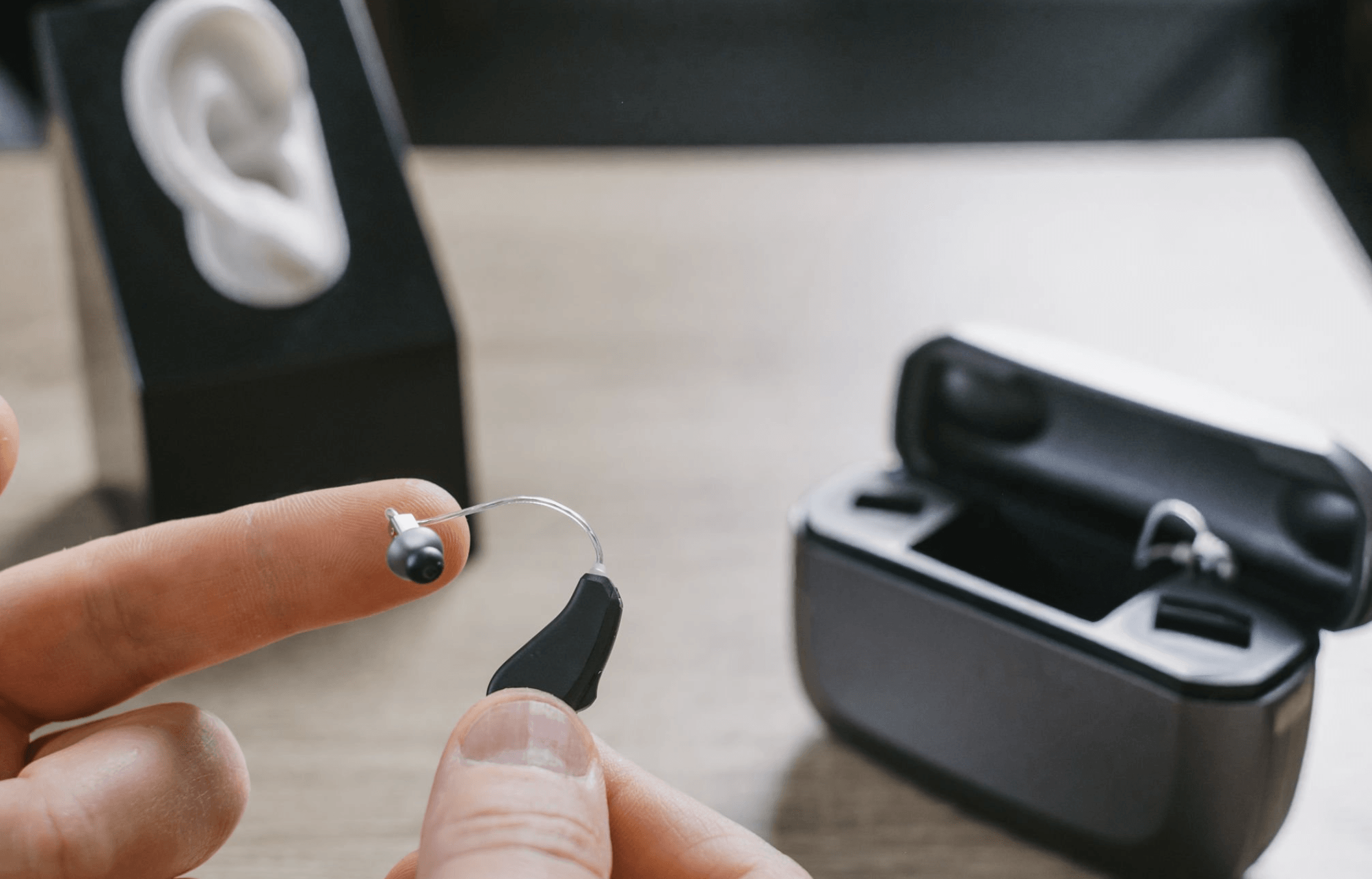
Hearing aids are tiny sound systems that sit in or behind your ear. They have a microphone that picks up sound, a small chip that changes the sound, and a speaker that sends it into your ear. These parts are very small, and they do not like heat or moisture.
In summer, a few things can go wrong:
- Sweat can get into the microphones and sound openings
- Heat can make batteries wear out faster
- Plastic shells or tubing can bend or change shape if left in a hot car or on a sunny dashboard
When sweat builds up, it can block sound or cause the hearing aid to turn on and off. Heat can cause the battery to swell or leak. Plastic parts can bend a little, which may lead to a poor fit or more whistling.
Watch for these early warning signs:
- Sound cutting in and out, especially when you are outside
- Hearing aids shutting off when you get hot, then coming back on later
- Devices feeling slippery or loose because of sweat
- Muffled, fuzzy, or "underwater" sound quality
If you notice these changes and simple cleaning does not help, it may be time to have your hearing aids checked.
Pool Days, Boats, and Water Parks: What to Watch For
Pools, lakes, and water parks are fun, but they can be rough on hearing aids. Even if your devices are rated as water-resistant, they still are not meant for long swims or heavy splashes. Water can sneak into the microphones and battery area and cause damage.
Here are a few simple rules for water days:
- Take hearing aids out before jumping into a pool, lake, or river
- Never leave them on a wet towel, table, or boat seat
- Keep a small, hard, dry case in your pool or lake bag
If your hearing aids do get splashed or dropped in water, act quickly but gently:
- Remove them from the water right away
- Gently pat them dry with a soft towel; do not rub hard
- If your devices use disposable batteries, open the door and remove the battery
- Do not use a hair dryer, microwave, or oven, because heat can cause even more damage
After you dry them, place them in a hearing aid dryer if you have one. If they still will not turn on, or the sound is strange, it is a good idea to get professional hearing aid repair in Knoxville as soon as you can.
Easy Daily Habits to Protect Your Hearing Aids
A few easy habits done every day can make a big difference in how your hearing aids handle summer heat and moisture.
Try this simple end-of-day routine:
- Wipe your hearing aids with a soft, dry cloth
- Place them in a hearing aid dryer overnight
- Check the sound openings and wax filters for wax or debris
During the day, when you are outside, working in the yard, or at the ballfield, small changes help:
- Wear a headband, sweatband, or hat to keep sweat from running into your ears
- Use clips or sports locks if you are worried about losing your hearing aids at the park or pool
- Take short breaks in the shade to cool down if they start acting up
If you are traveling or on vacation, make a small "hearing aid kit" so you are never stuck without what you need. Pack:
- Extra batteries or your charger with cord
- Extra domes or tips if your devices use them
- Extra filters/wax guards
- A small cleaning brush or pick
- A hard case so they do not get crushed in bags or suitcases
These small steps help keep your devices dry, clean, and ready to work.
It is also worth considering a dedicated travel charger for your kit. These are often smaller and more portable than your main one at home, ensuring you stay powered up without taking up much luggage space.
When a Simple Fix Becomes a Repair Job
Sometimes hearing aid problems in summer are simple. Other times, they need a professional to look them over. It helps to know what you can safely try at home and when to stop and get help.
At home, most people can safely:
- Replace or recharge the battery
- Check that the device is turned on and the volume is not turned down
- Clean wax filters, domes, and openings with the tools made for hearing aids
- Wipe away any visible moisture with a dry cloth
If you try those steps and the problem is still there, watch for red flags like:
- No sound at all, even with a new battery
- Constant whistling or squealing that will not stop
- Visible cracks in the case or tubing
- A broken or loose battery door
- The hearing aid will not turn on after being in heat or water
When that happens, home fixes usually are not enough. Professional hearing aid repair in Knoxville can include a close look at all the parts, deep cleaning, testing of microphones and speakers, and clear advice about whether the device should be repaired or replaced. Care from a local audiology practice can also help you learn better ways to protect your devices for the entire summer.
Knoxville Summer Survival Kit for Your Ears
If you wear hearing aids in East Tennessee, summer can still be fun and easy. A little planning goes a long way. Think of it like a survival kit for your ears.
Here is a simple checklist to keep nearby:
- Drying kit or hearing aid dryer
- Cleaning tools and extra wax filters
- Extra batteries or your portable charger
- Sweatbands or hats for outdoor days
- A sturdy storage case
- Back-up hearing aids, if you have them
With a daily wipe-down, regular drying, and smart storage, you can avoid many common summer problems. That means fewer repair visits, less stress, and more time hearing laughter at the pool, cheers at the ballfield, and talks on the porch as the sun goes down.
Restore Clear Hearing With Trusted Local Care
If your devices are not working as they should, we are ready to help you with expert hearing aid repair in Knoxville tailored to your specific needs. At Volunteer Hearing, we take the time to understand what is going on with your hearing aids so we can get you back to hearing clearly as quickly as possible. Reach out today through our contact page to schedule an appointment or ask a question about your devices.