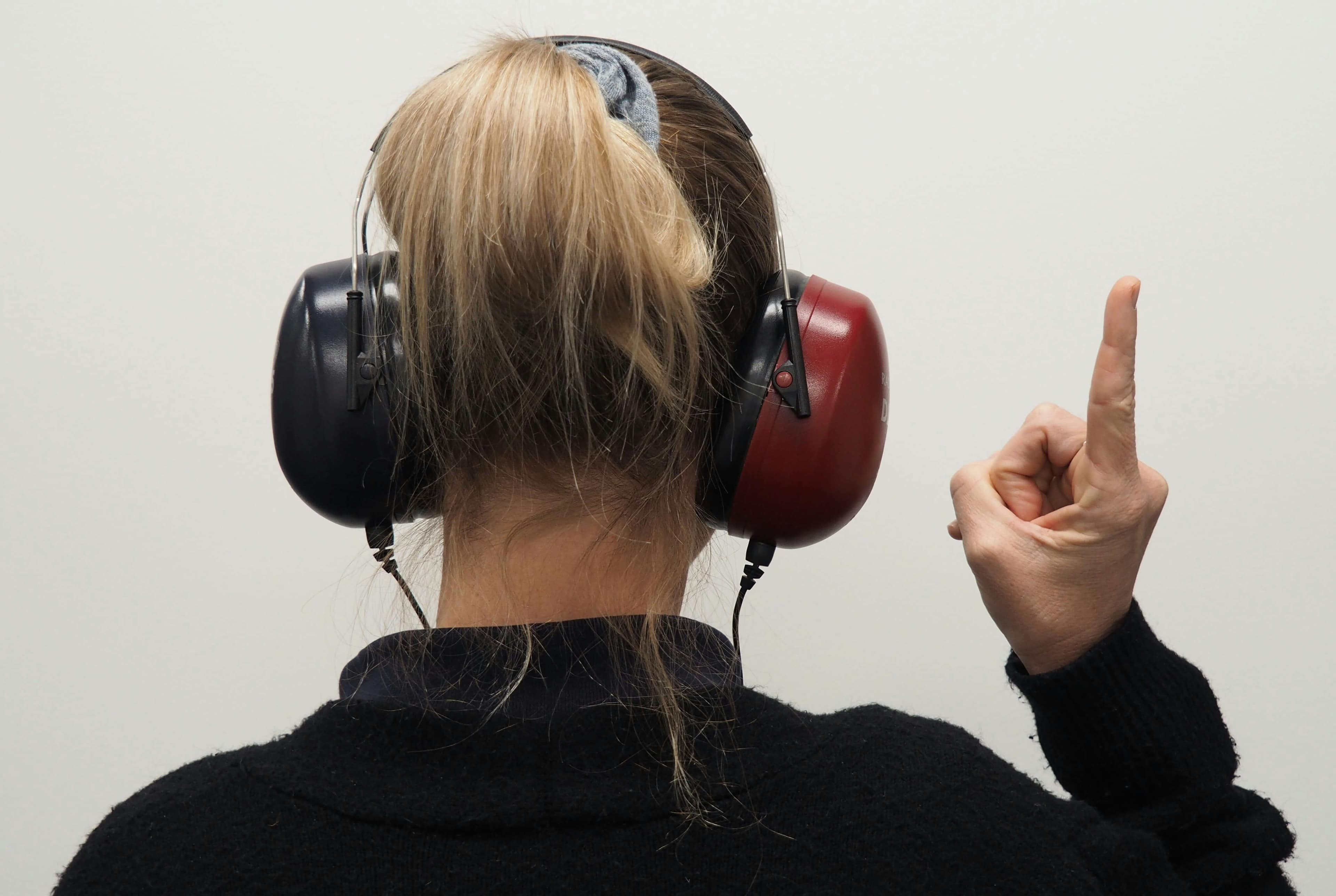
Turn Your Knoxville Bedroom Into a Tinnitus Retreat
Trying to fall asleep while your ears are ringing can feel almost impossible. The house settles, the traffic on the nearby road keeps swishing by, the neighbors are still up, and your brain is wide awake listening to every little sound. On top of that, your own tinnitus seems to get louder the quieter the room gets. It is exhausting.
A calmer, quieter bedroom can make that ringing feel less intense and help your brain relax at night. Tinnitus relief is not only about hearing aids or medication. Small changes in your bedroom, the way it sounds and the way it feels, can make a real difference in your comfort and sleep. Our team at Volunteer Hearing cares about what happens in real life at home, not just in the office, and we want to share some simple ideas that can help your nights go smoother.
Why Nighttime Makes Tinnitus Feel So Much Worse
Tinnitus often feels louder at night because there is not much for your brain to focus on. During the day, you hear people talking, TV, traffic, and normal life sounds. At night, when those sounds fade, the ringing or buzzing is front and center. Your brain is not distracted, so it pays more attention to the noise inside your head.
Stress from the day can build up too. When you lie down, your body is tired, but your mind is still going. That mix of stress and quiet often makes tinnitus stand out.
There is also a sleep and tinnitus cycle. Poor sleep can make tinnitus feel stronger the next day. When tinnitus feels stronger, it can be harder to fall asleep again, and the cycle keeps going. The good news is that changing the sound environment in your bedroom is one of the easiest places to start when you are looking for relief.
Calming Bedroom Sound Ideas That Actually Help
A lot of people think they need total silence to sleep, but for many with tinnitus, total silence is the worst thing. A soft, steady background sound can give your brain something else to listen to so the ringing does not feel as loud.
Some simple sound options include:
- A box fan or ceiling fan on a steady setting
- A white noise machine with a gentle sound
- Soft rain, ocean waves, or nature sounds from a phone app or smart speaker
- Quiet, slow music without sudden jumps in volume
The key is to keep the sound steady and soft. Place the sound source across the room, not right by your ear. You want it to blend into the background, not blast you. A good test is this: you can still talk to someone in a normal voice over the sound, and it does not feel like it is "on top of you."
A few safety tips:
- Avoid sleeping with earbuds or headphones in all night
- Skip loud, jarring alarms that make you jump awake
- Keep the volume low enough that you could sleep next to it every night without feeling tired of it
This kind of gentle sound can help cover the ringing just enough while still letting your brain settle down.
Make Your Room Feel Softer, Darker, and Less Busy
Your bedroom does not have to be fancy, but making it feel softer can help calm your whole nervous system. Hard, bare rooms can cause sound to bounce around and feel sharper. When you add soft items, you cut down on echo and create a quieter, more peaceful space.
Try adding:
- Curtains or drapes
- A rug or two on hard floors
- A padded headboard or extra pillows
- A soft blanket or fabric wall hangings
Darkness matters too. Streetlights, long summer evenings, and passing headlights from busy Knoxville roads can all sneak through thin blinds. Blackout curtains or room-darkening shades can help your brain understand that it is time to sleep.
It can also help to keep the room simple and uncluttered. That means:
- Fewer blinking lights from chargers or electronics
- Less screen time in bed
- Less clutter to look at from the pillow
When your room is calm and not too "busy," your brain does not have to work so hard. That lower mental load can make it easier to ignore tinnitus and drift off.
Simple Night Routines That Quiet Your Mind and Ears
What you do in the hour before bed can make a big difference. A winding-down routine tells your brain and body, "We are getting ready to sleep now." Lower stress often means tinnitus feels a little less strong.
Some easy, realistic habits include:
- Turning off phones, TVs, and tablets 30 to 60 minutes before bed
- Reading a light book or magazine
- Taking a warm shower or bath
- Doing gentle stretches or simple yoga
- Practicing slow, deep breathing
Keeping a notepad by the bed can also help. When worries pop up, write them down and tell yourself you will deal with them tomorrow. That way you are not lying there going over the same thoughts while the ringing feels louder and louder.
On hot East Tennessee nights, comfort matters even more. Try to:
- Keep the room as cool as you reasonably can
- Use a fan for both airflow and calming sound
- Avoid heavy late-night snacks
- Cut back on caffeine later in the day if it makes you feel wired
These small choices can settle your body and help your ears feel less "on edge" when you lie down.
When Bedroom Changes Are Not Enough
Sometimes, even when you do your best with your bedroom and your routine, tinnitus and sleep problems keep hanging around. If the ringing, buzzing, or whooshing in your ears is making it hard to sleep, or if it starts to feel worse over time, it is important to talk with a hearing professional.
At Volunteer Hearing in East Tennessee, we focus on family and everyday life. We offer full hearing and tinnitus checkups, along with personalized sound therapy options. We also talk with you about sleep, stress, and your home setup so the plan fits your real world, not just a test room.
You do not have to "just live with it" or struggle every night on your own. With the right support and a few thoughtful bedroom changes, many people find that sleep gets easier and the ringing feels less in control of their nights.
Take Control Of Tinnitus And Reclaim Your Day
If constant ringing or buzzing is disrupting your life, our team at Volunteer Hearing is here to help you find real, practical solutions. Start exploring your options for tinnitus relief in Knoxville so you can focus, sleep, and enjoy conversations again. We will work with you to understand your symptoms and create a management plan tailored to your needs. Ready to talk with a specialist about next steps? Just contact us to schedule an appointment.