When Fall Allergies Make Your Ears Feel Off
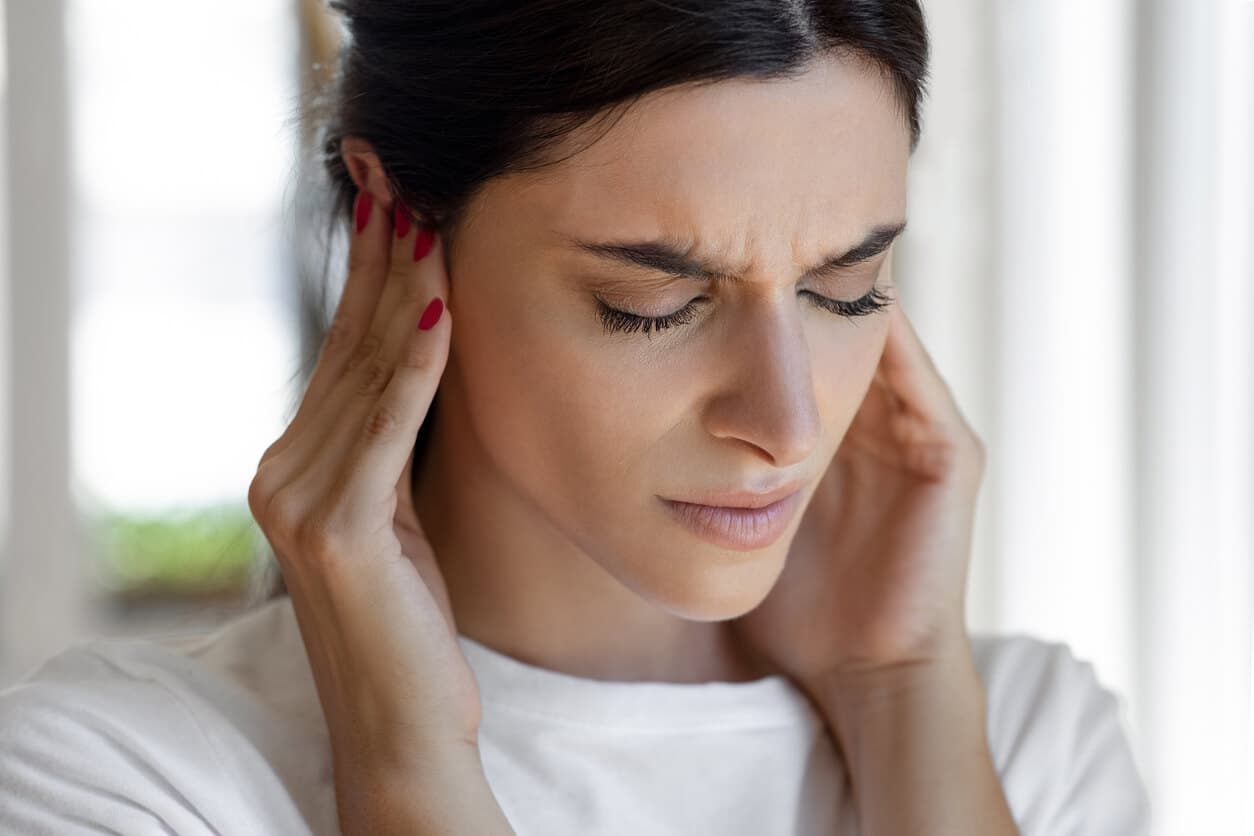
Fall allergies can make your ears feel strange, especially when ragweed is high and your nose is stuffy. Sounds may seem dull or far away, and you may notice popping, pressure, or a full feeling in one or both ears.
Early September can bring noticeable ragweed pollen in East Tennessee. Allergies do not usually cause permanent hearing loss, but they can lead to temporary ear pressure and muffled hearing. We want to help you understand why that happens, what may help at home, and when a hearing check makes sense.
The American Academy of Otolaryngology, Head and Neck Surgery notes that "Allergic rhinitis is a common condition that affects approximately 1 in 6 individuals." Cleveland Clinic's explanation of the link between allergies and ear pain also describes how allergy swelling can affect ear pressure.
Sudden hearing loss, strong ear pain, dizziness, or ear drainage should not be blamed on allergies without medical guidance. Those symptoms deserve prompt attention.
How Allergies Can Change Ear Pressure and Sound
Allergies start in the nose, but the pressure they create can travel farther than many people realize. Small passages called Eustachian tubes connect the middle ear to the back of the nose and throat. Their job is to help balance pressure behind the eardrum.
When allergy-related swelling blocks those passages, pressure may build up. It can feel a little like driving up a mountain or flying with a cold. Cleveland Clinic and ear, nose, and throat specialists describe this as Eustachian tube dysfunction.
You might notice:
- A plugged, full, or pressurized ear feeling
- Popping, crackling, or trouble clearing your ears
- Temporary muffled hearing
- More trouble hearing soft sounds or conversations
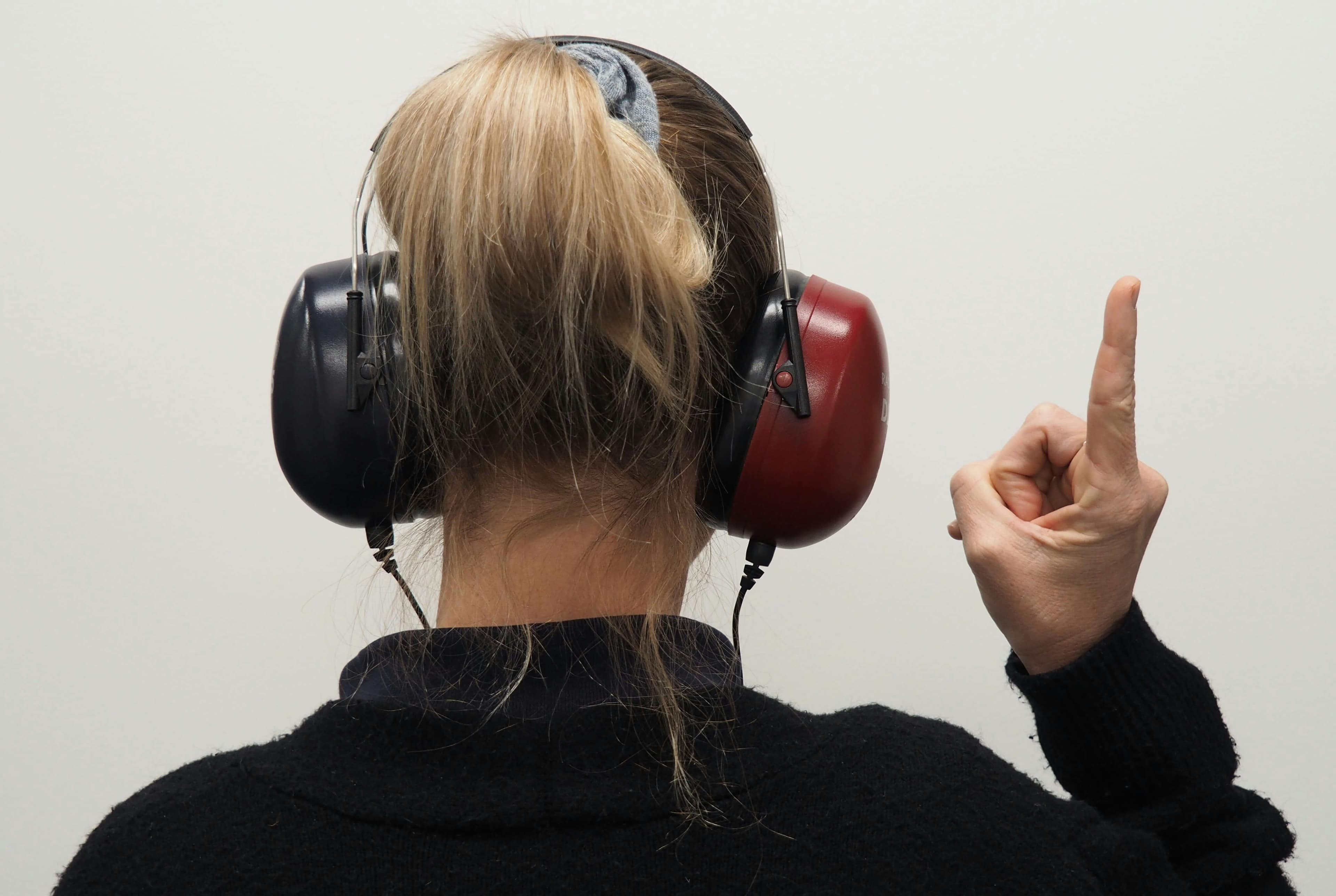
Fluid or pressure behind the eardrum can make sounds less clear, even if the ear itself is otherwise healthy. An audiologist in Clinton, TN can check whether hearing changes seem related to ear pressure, earwax, hearing loss, or another concern.
Why Clinton's Fall Pollen Season Can Feel Worse
Ragweed is one of the more common fall allergy triggers in Tennessee. Pollen can travel on the wind for long distances, so symptoms can flare even when you do not see weeds growing right outside your home. Dry, breezy days may feel tougher, while rain can temporarily reduce the pollen floating in the air.
The Asthma and Allergy Foundation of America reports that more than 80 million people in the United States are diagnosed with seasonal allergies. As the organization puts it, "Allergies are among the most common chronic diseases." That means stuffiness, sinus pressure, and ear pressure are common concerns during pollen season.
We recommend noticing when your symptoms are strongest. A simple note on your phone can help you spot a pattern after:
- Yard work or leaf cleanup
- Walks on dry, windy days
- Sleeping with windows open
- Spending long periods outdoors
A pattern can be useful, but it does not prove that allergies are the only cause. If muffled hearing stays after your allergy symptoms improve, an audiologist in Clinton, TN can help identify what may be going on.
Know When Ear Symptoms Need a Hearing Check
Mild ear pressure that begins along with sneezing, itchy eyes, congestion, or a runny nose may improve as those symptoms settle down. We encourage you to pay attention to whether your hearing feels normal again once the stuffiness eases.
Some signs should not be ignored, especially when they continue or keep coming back. Consider a professional hearing evaluation for:
- Hearing changes lasting more than a few days
- Trouble hearing on only one side
- Ringing in the ears, ear pain, or drainage
- Dizziness or balance concerns
- Difficulty understanding everyday conversation
Sudden hearing loss needs prompt medical evaluation. It is not a symptom to wait out.
A hearing evaluation can check hearing levels, review your symptoms, look for possible earwax concerns, and help us determine whether another medical provider should be involved. Our family-focused practice has a Clinton location, along with Knoxville and Sevierville offices.
Simple Ways to Ease Allergy-Related Ear Pressure
A few daily habits may reduce the pollen you bring indoors. Checking local pollen levels, closing windows on high-pollen days, showering after outdoor time, and changing clothes after yard work can all limit exposure. Keeping car windows closed and using the air conditioner may help, too.
For allergy treatment options, we recommend speaking with your primary care provider, pharmacist, or allergy specialist. The right approach depends on your age, health history, and other medicines, so it is best not to guess.
If you wear hearing aids, remember that moisture, earwax, and blocked microphone openings can also make sound seem muffled. Cleaning and storing devices as directed by the manufacturer or by us can help protect sound quality. A hearing aid check may be helpful when the sound changes suddenly or does not improve.
Clearer Hearing Starts with Paying Attention
Fall allergies can cause temporary ear pressure and muffled sound, but lasting or sudden hearing changes deserve a closer look. Keep track of when symptoms appear, notice whether they improve as congestion clears, and take changes in hearing seriously when they affect conversations or daily life.
Small pollen-reduction habits may make a difference during allergy season. Still, ear pain, drainage, dizziness, ringing, one-sided hearing trouble, or sudden hearing loss are signs that should not be dismissed as "just allergies."
Get Clear Answers About Your Hearing
At Volunteer Hearing, we can help you sort out what may be affecting your ears and hearing. An audiologist can evaluate your hearing and talk through your concerns in simple terms. If you have questions or want to set up a visit, contact us today.